Perspectives is an ongoing series by the Cari-Bois Environmental News Network which aims to give Caribbean scientists, explorers and nature enthusiasts the platform to share their experiences. This latest piece was written by Dr. Kahlil Hassanali, Senior Research Officer at Trinidad and Tobago’s Institute of Marine Affairs (IMA).
The ocean, and what lies within its waters, has been central to a number of pop culture creations and literary masterpieces.
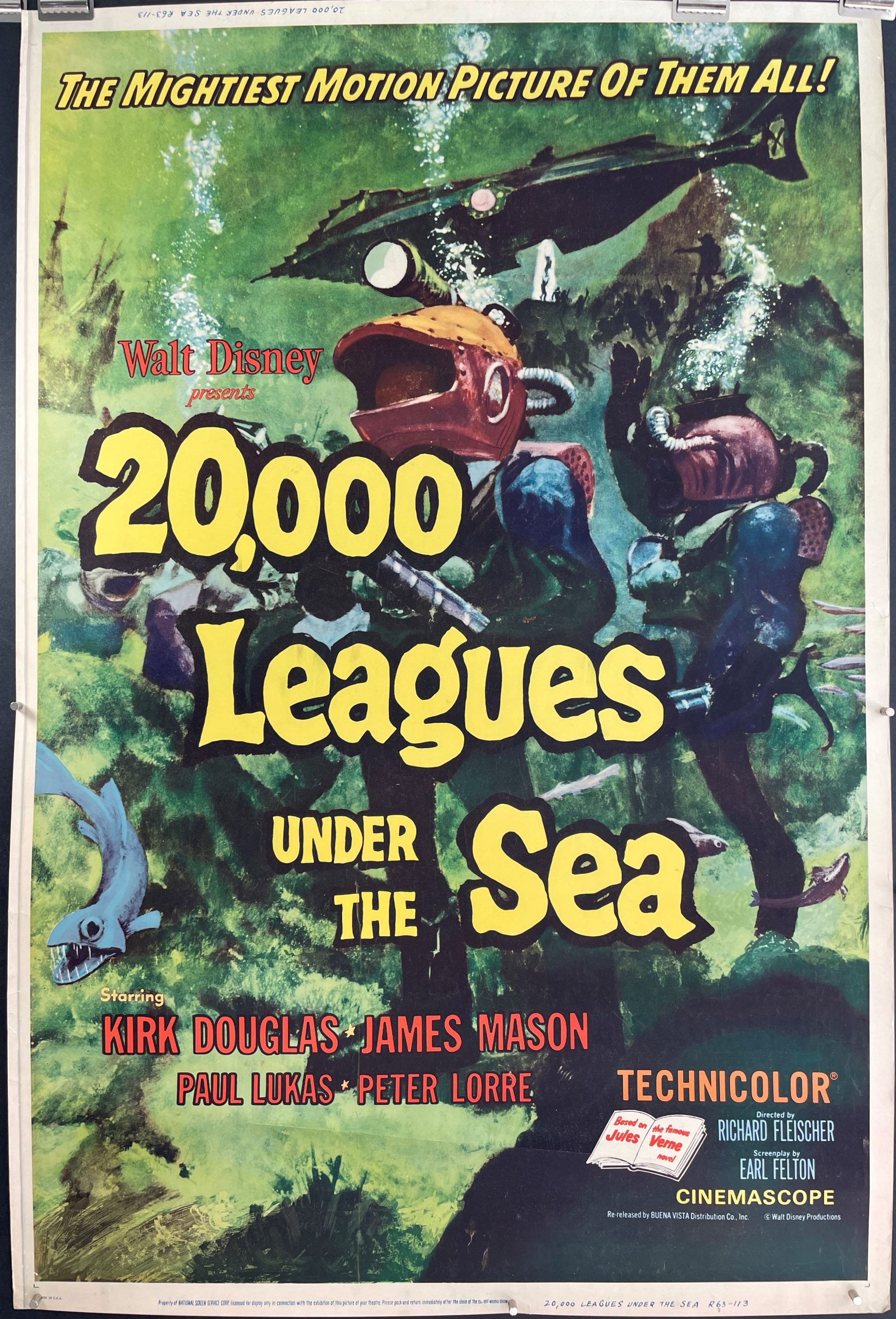
We can immediately think of Jules Verne’s “20,000 Leagues Under the Sea”, Herman Melville’s “Moby Dick”, lore surrounding the lost city of Atlantis, the mythical Kraken sea monster, the box office hits “Aquaman” and “Finding Nemo” and, not to be forgotten, “SpongeBob SquarePants”, which revolves around a yellow sea sponge living in a submerged pineapple who interacts with a host of aquatic friends.
These, and many others like it, have sparked curiosity and helped pique interest in what lies within our largely unexplored ocean.
Given its ubiquity, the ocean will persist as a source of inspiration for stories, movies and other forms of creative and cultural expression.
Alongside this, though, and perhaps complementarily, it will also continue being a source of wonder.
This is because an overwhelming majority of our vast ocean remains unexplored.
Some put the figure as high as 80 per cent.
To put this into perspective, scientists have made more accurate maps of the surface of the moon, Mars and Venus than they have of the sea floor.
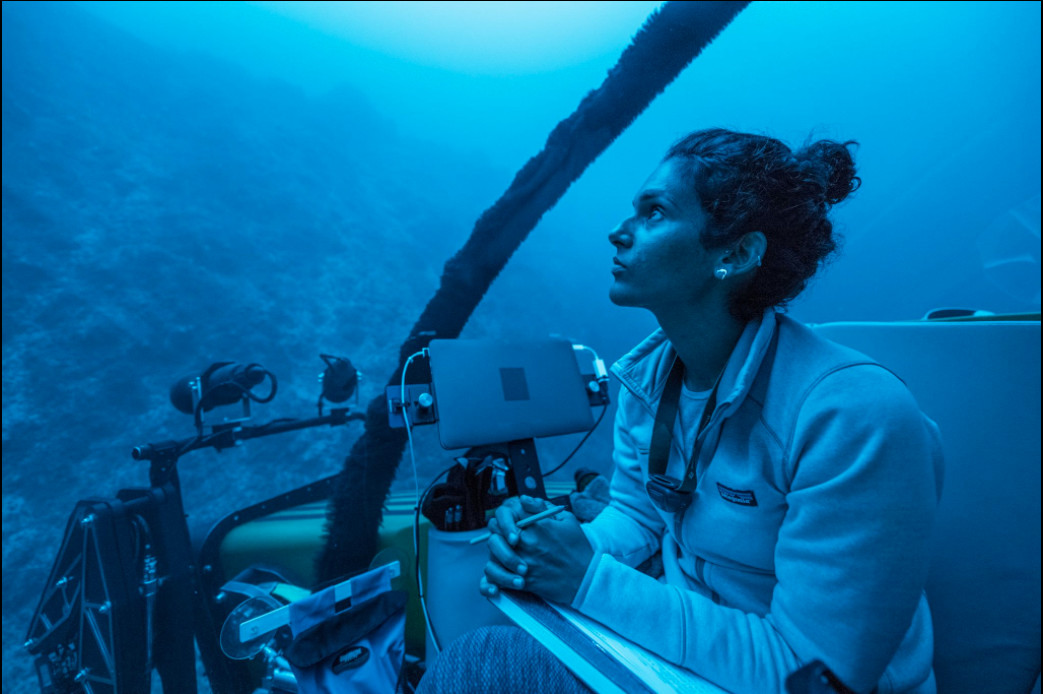
The remoteness and the extreme conditions that can be found at the depth of oceans make exploration and scientific knowledge gathering about these parts of the ocean challenging.
Technological advancement, especially since the turn of the century, has aided in diminishing the knowledge gap that exists about the ocean, but there is still a huge amount to learn and understand.
In parallel to this quest for knowledge and enlightenment, however, also driven on the back of technological advancements, there is a race to exploit this new frontier.
The deep ocean, far removed from our shores, has been the focus and proposed site of a number of largely untested and still emerging activities such as deep seabed mining and ocean fertilisation for carbon capture and storage.
Some may have been tempted to venture out into these distant, obscure regions and capitalise on the unencumbered space and resources that are available there.
However, it is important that oceans continue to be protected given their role as “our planet’s beating heart”.
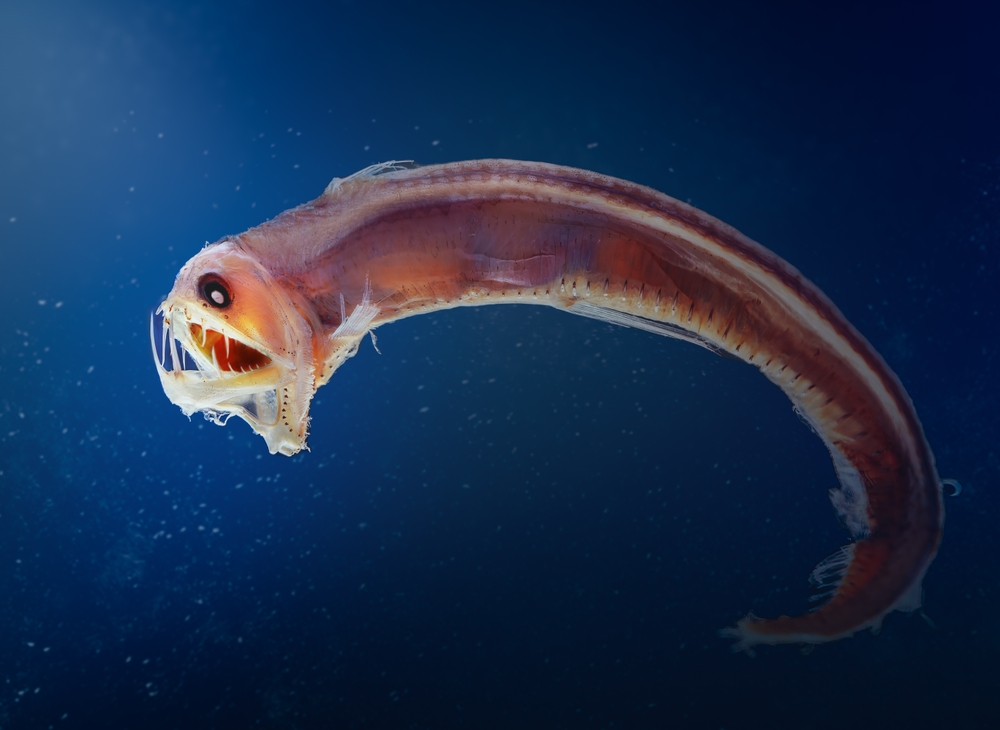
The focus should be on demystifying what exists in this uncharted expanse, appreciating the abundance of life it sustains and garnering a greater understanding for how the ocean and its associated ecosystem functions, including with regard to regulating the planet’s climate.
Small Island Developing states, such as Trinidad and Tobago, lack the resources to carry out independent expeditions into the far-flung reaches of the ocean.
While expense is a limiting factor, there is certainly no lack of enthusiasm to participate in deep-sea research and to contribute to the ongoing knowledge quest.
Fortunately, there is good news.
An international agreement recently negotiated and adopted at the United Nations has developed the marine scientific research and technological capacity of states party to the agreement as one of its many objectives.
It will do this by, among other things, providing resources and encouraging equitable partnerships in the conduct of marine scientific research.

This Agreement, which deals with the conservation and sustainable use of marine biological diversity of areas beyond national jurisdiction (the BBNJ Agreement), is now open for signature.
The Institute of Marine Affairs was involved in helping negotiate the BBNJ Agreement on behalf of Trinidad and Tobago.
It is also involved in ongoing efforts to have the country sign and ratify this international agreement.
Small Island Developing States are intimately connected to the ocean and its resources, economically, socially and culturally.
However, we face resource constraints which inhibit us from being world leaders in the conduct of marine scientific research, especially in the far reaches of the ocean.
The BBNJ Agreement is one tool that can serve to rouse us, who, with our creativity, ingenuity and abundance of natural talent, can be considered the sleeping giants poised to make a meaningful and enduring impact.