During the second term of the 2024/2025 Academic Year, Cari-Bois partnered with the Scotiabank Foundation to empower ten (10) students with climate journalism skills as part of the third edition of Cari-Bois’ Youth Journalism Project. For their third assignment, students wrote an article about the effects of climate change on biodiversity. This story was written by Salisha Nebblett of Waterloo Secondary School.
From the rich rainforest of the Northern Range to the radiant coral reefs of Tobago’s coastline, Trinidad and Tobago holds a wide range of plants and animals.
However, the effects of climate change are placing undeniable pressure on the country’s rich biodiversity.
With warmer temperatures, shifting weather patterns, and rising sea levels, biodiversity in Trinidad and Tobago is facing many challenges.
Over the last century, the average temperatures in Trinidad and Tobago have made a steady increase of 1.1°C, according to the Trinidad and Tobago Meteorological Service.
While this may seem small and harmless, this slight shift in temperature can affect the fragile balance of ecosystems.
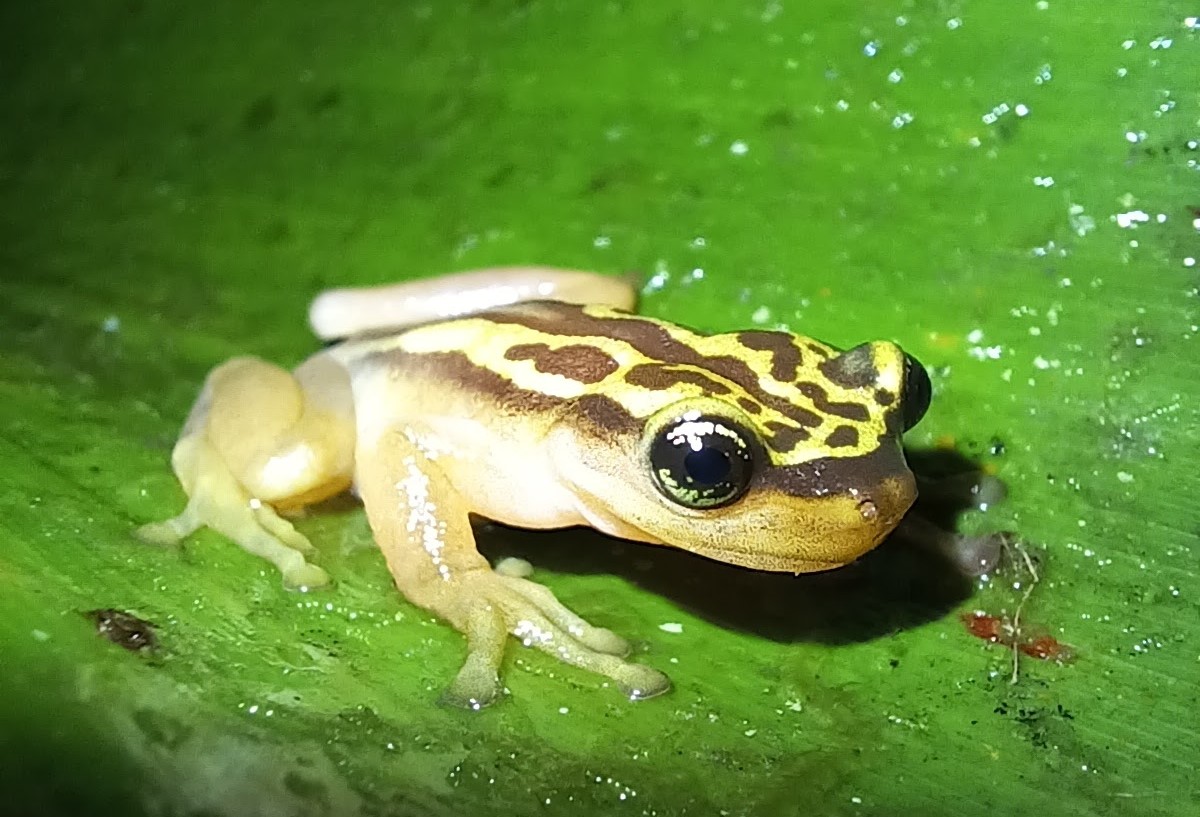
For example, amphibians like the golden tree frogs are in a vulnerable state due to climate change, as they depend on cool, moist environments to build their habitats.
As temperatures rise and dry spells become more frequent, their habitats are slowly drying out, increasing the risk of population decline and possibly local extinction.
Tobago’s coral reefs are considered some of the most biodiverse marine environments in the Caribbean and are facing serious threats from ocean warming and acidification.
Coral reefs like the Buccoo Reef, Culloden Reef, and Speyside Coral Gardens are experiencing increasing periods of coral bleaching, a stress response caused by the increasingly high temperatures, where corals expel the symbiotic algae (zooxanthellae) they rely on for food.
Furthermore, the 2010 and 2016 coral bleaching events significantly impacted the reef’s ecosystems, according to the Institute of Marine Affairs.

The 2016 event was part of a larger regional and global bleaching event.
Both events resulted in substantial coral mortality and a decline in hard coral cover.
Climate change also contributes to the spread of invasive species and diseases that pose a significant threat to the biodiversity in Trinidad and Tobago.
With warmer conditions altering ecosystems, temperatures lead to suitable conditions for invasive species which are overtaking and preying on native species.
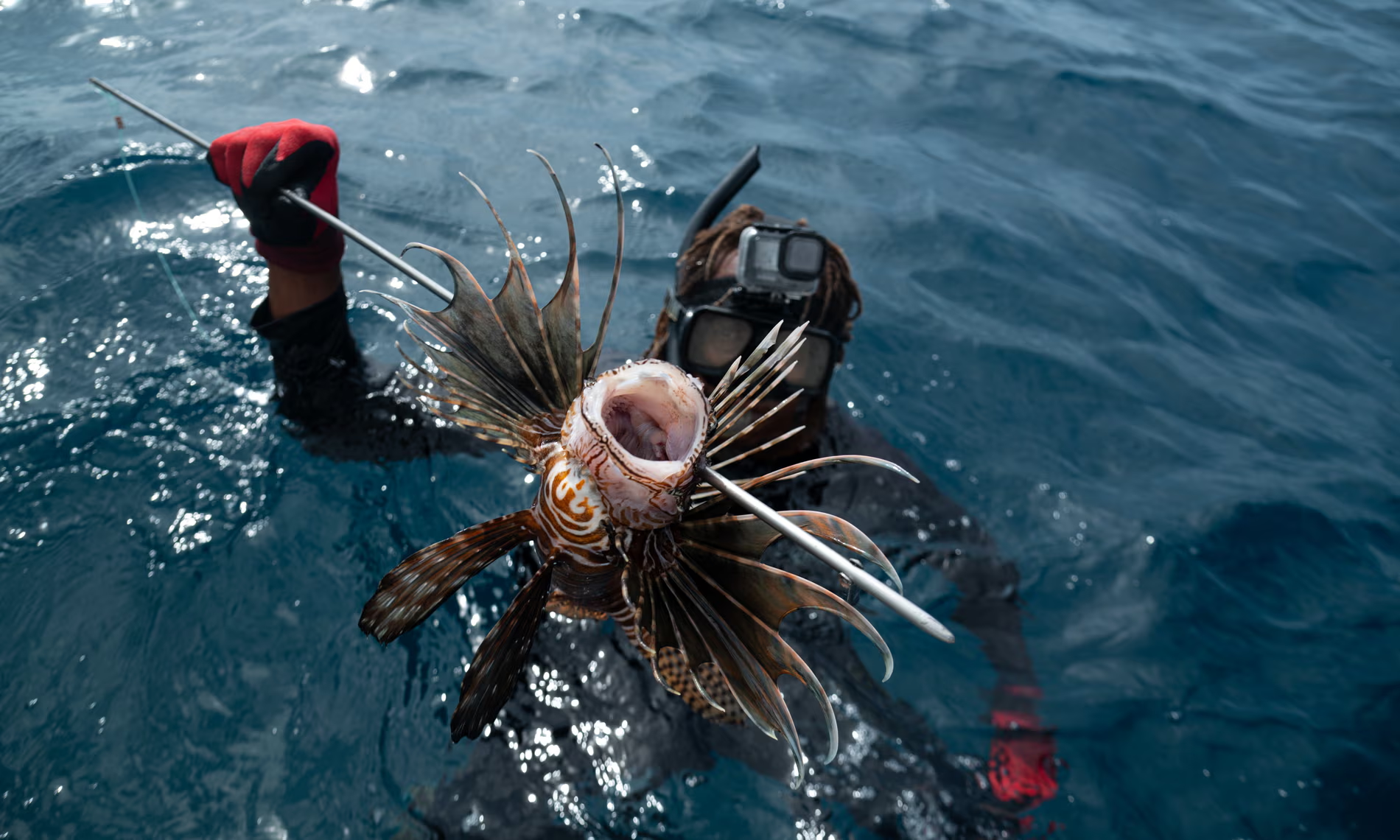
Over the recent years, Trinidad and Tobago has witnessed a widespread invasion of lionfish in its waters, an aggressive predator that threatens the reef biodiversity.
Additionally, invasive pests such as the pink hibiscus mealybug prey on fruit and vegetable crops and ornamental plants, injecting them with its toxic saliva, which can lead to plant death.
Climate change poses a serious and growing threat to biodiversity in Trinidad and Tobago.
Rising temperatures, unpredictable rainfall patterns, and rising sea levels are disrupting delicate ecosystems from forests of the Northern Range to the coral reefs of Tobago.
Species such as frogs and marine life are losing their natural habitats and breeding grounds, with coral bleaching, invasive species, and increased disease outbreaks further intensifying the crisis.
Urgent actions are needed through conservation, education, and sustainable practices to protect the country’s natural heritage and rich biodiversity.
The survival of Trinidad and Tobago’s biodiversity depends on bold collective efforts to adapt and reduce the impacts of climate change before irreversible damage occurs.
A very special thank you to the Scotiabank Foundation for supporting the development of young people through initiatives like the Cari-Bois Youth Journalism Project.