• About Us
  • Writers
  • Media Gallery
  • Contact Us
Tuesday, June 23, 2026
No Result
View All Result
JOIN OUR NEWSLETTER
Cari-Bois Environmental News Network
26 °c
Port of Spain
  • Home
  • Agriculture
  • Pollution
  • Climate Change
  • Mining
  • Oil & Gas
  • Forestry
  • Fishing
  • Wildlife
  • Governance
  • More
    • Natural Disaster
    • World Wildlife Day
  • Home
  • Agriculture
  • Pollution
  • Climate Change
  • Mining
  • Oil & Gas
  • Forestry
  • Fishing
  • Wildlife
  • Governance
  • More
    • Natural Disaster
    • World Wildlife Day
No Result
View All Result
Cari-Bois Environmental News Network
No Result
View All Result
Home Climate Change

How does climate change affect the honeybee?

by Cari-Bois Youth Journalists
April 25, 2025
in Climate Change
0
How does climate change affect the honeybee?
0
SHARES
36
VIEWS
Share on FacebookShare on LinkedInShare on Whatsapp

During the second term of the 2024/2025 Academic Year, Cari-Bois partnered with the Scotiabank Foundation to empower ten (10) students with climate journalism skills as part of the third edition of Cari-Bois’ Youth Journalism Project. For their third assignment, students wrote an article about the effects of climate change on biodiversity. This story was written by Ashada Durante of Fyzabad Secondary School.

Biodiversity refers to the various forms of life on earth, such as plants, animals, mosses and fungi, which build ecosystems and coexist to maintain balance and support life.

Without these living organisms, human livelihoods will be disrupted.

While tiny, the honeybee is one of the most important insects in the world.

Although bees are associated with honey, they also play a significant role in sustaining all forms of life on earth.

But while important, the honeybee is being affected by climate change.

The United Nations has said that bees and other pollinators serve as indicators of environmental health, providing insights into ecosystems and the climate.

Therefore, protecting pollinators like the honeybee enhances biodiversity and critical ecosystem services, such as soil fertility, pest control, and air and water regulation.
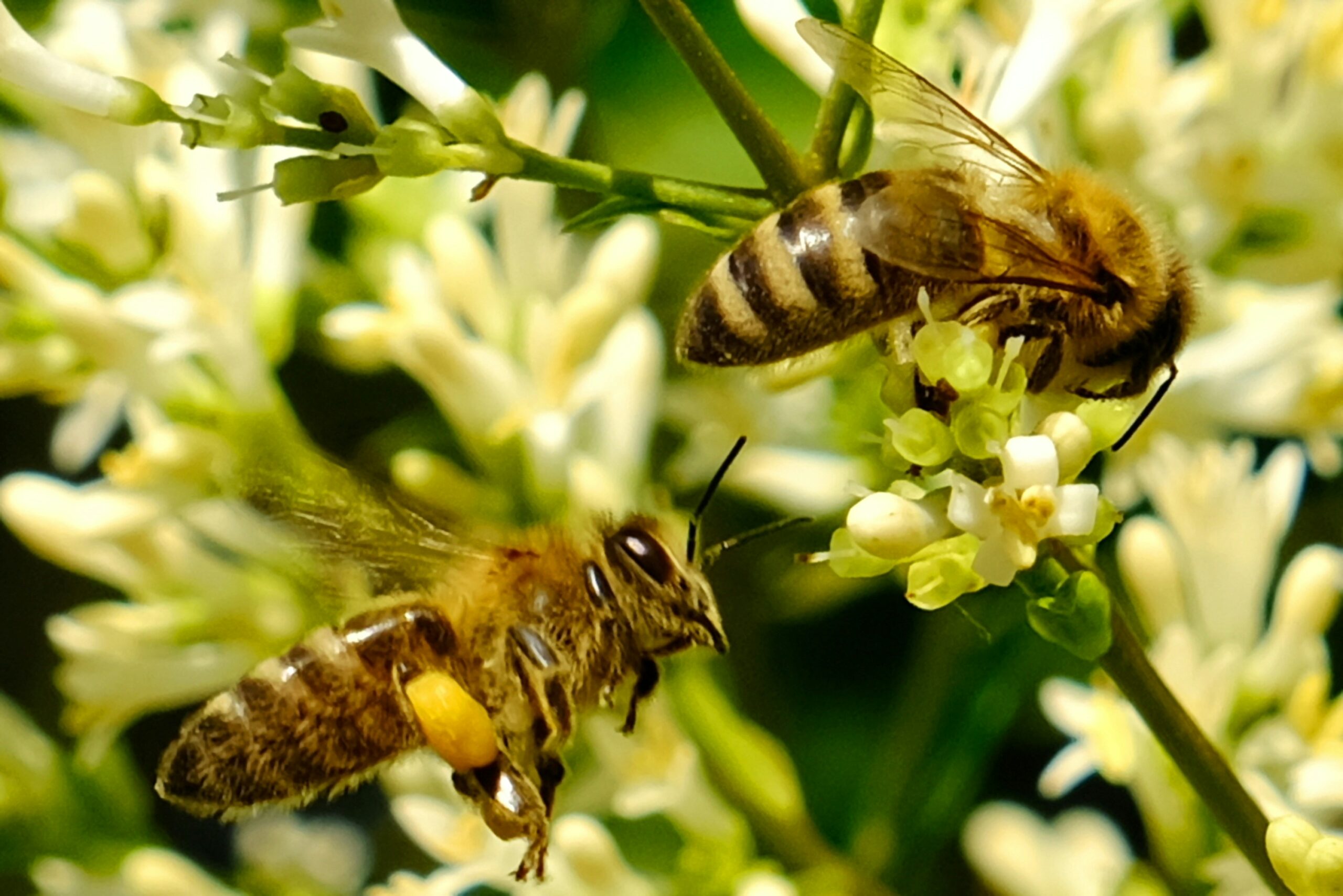
In Trinidad and Tobago, bees are affected during the wet season or whenever heavy rainfall occurs.

Prolonged periods of rain and gusty winds remove pollen or the entire flower and disrupt pollination.

Flooding makes ecosystems of flowers and pollinators less suitable.

It causes nutritional stress, affects their overall growth, and interferes with reproduction.

 It can also put bee hives and foraging areas in jeopardy.

This creates a shortage of resources within their ongoing shrinkage in habitat, which would be a disadvantage to honeybees and biodiversity.

On the other hand, hot climates or areas with prolonged droughts can affect honeybees, as water is crucial for their survival.

If bees do not get water, they can die from dehydration.
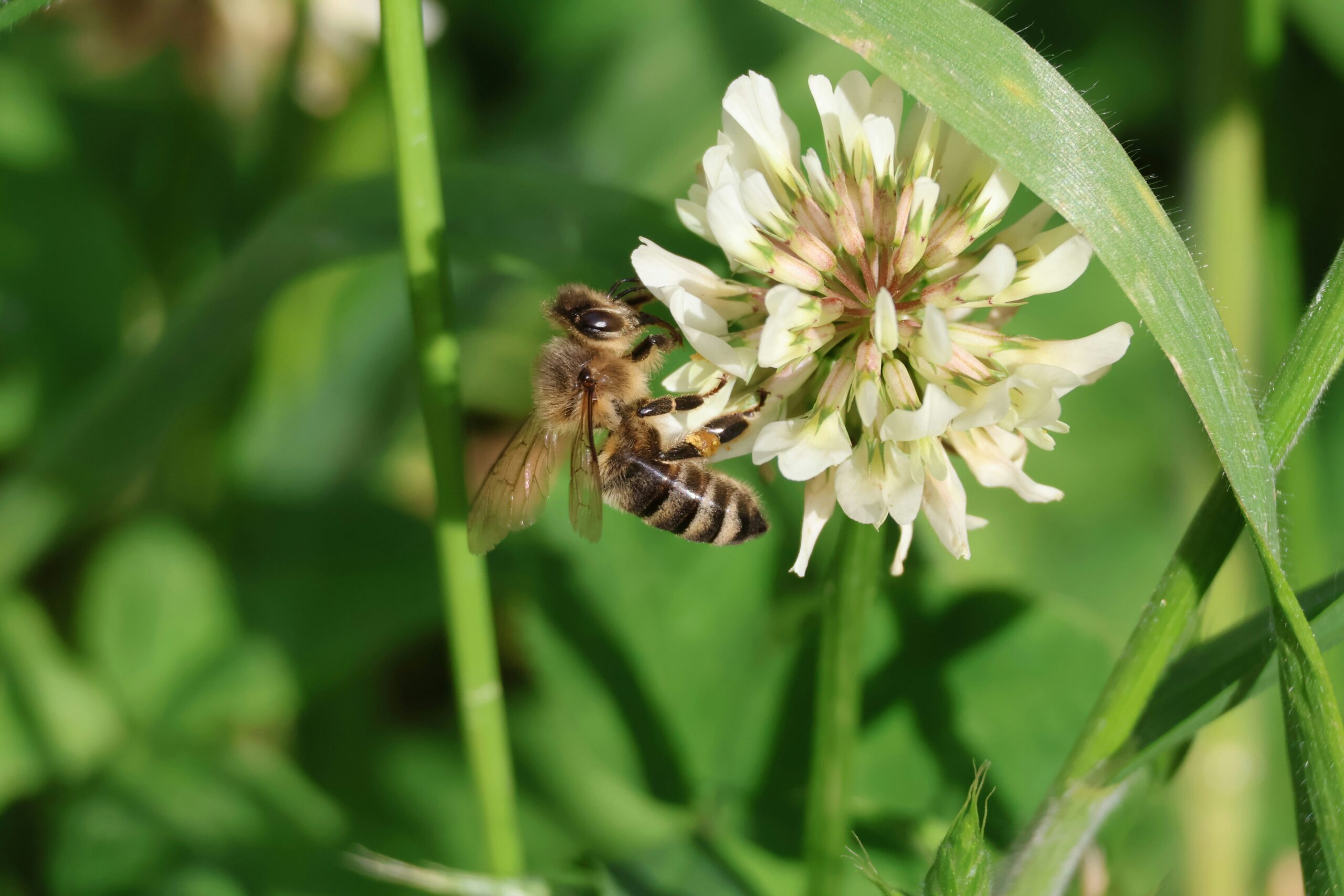
The importance of water to honeybees is explained in a Cari-Bois article published in May 2021.

Written by Jamaican writer Emma Lewis, the article states that “Bees use water to control humidity and temperature and also to dilute honey for consumption by themselves and their larvae.”

Lewis further explains, “Bees take the water back to their hives since temperature and humidity have to be precisely maintained for the well-being of the colony.

“This is why you sometimes see bees fanning at the hive entrance: the evaporation cools down the residents.”

Wildfires, which sometimes occur during the dry season, also have a severe impact on bees, as the smoke affects their ability to seek nectar, and it also “awakens their alarm pheromones”.
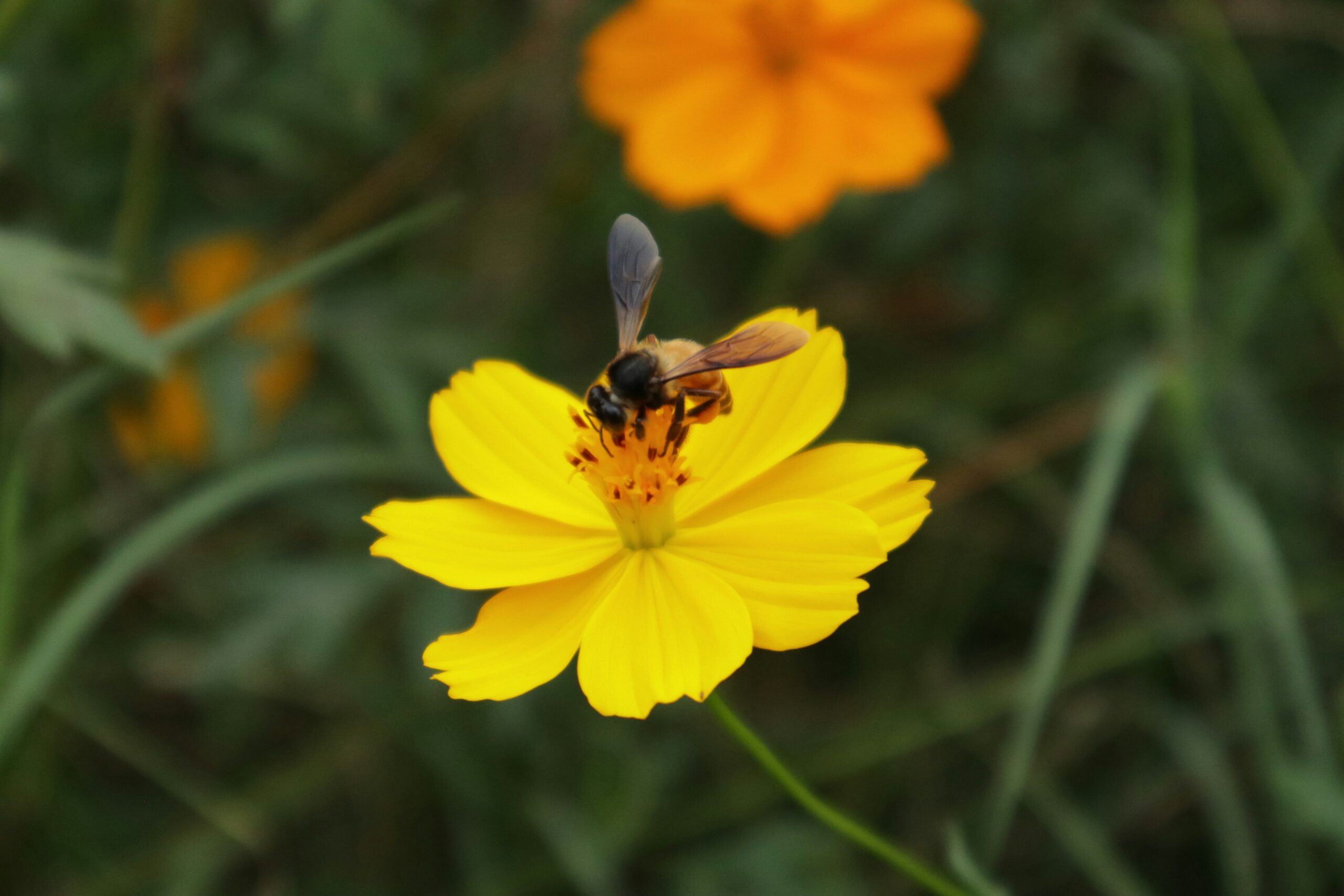
Without pollinators like bees, our world would be very different.

A publication by the United Nations entitled World Bee Day May 20 stated that “pollination is essential for agrifood systems, supporting the production of more than 75 per cent of the world’s crops”.

Hence, a decline in pollinators jeopardises food production, increases costs and exacerbates food insecurity, particularly for rural communities.

A very special thank you to the Scotiabank Foundation for supporting the development of young people through initiatives like the Cari-Bois Youth Journalism Project.

Tags: Climate ChangeGen ZTrinidad and TobagoYouthYouth Journalism
Cari-Bois Youth Journalists

Cari-Bois Youth Journalists

In the 2024/2025 academic year, Cari-Bois will work closely with ten secondary schools across Trinidad and Tobago to empower a total of 20 students with journalism skills and climate knowledge. With funding support from the Scotiabank Foundation, the project aims to challenge each student to write and publish three climate stories to raise awareness about the effect of the climate crisis on their communities and beyond. The project’s stories are set to be published under a special social media campaign titled the “Green Gazette” that will be shared across the social media platforms of Cari-Bois.

Next Post
The Cascadu: Freshwater Fish at Risk in Trinidad and Tobago

The Cascadu: Freshwater Fish at Risk in Trinidad and Tobago

Explore by Region

  • Caribbean
  • Antigua and Barbuda
  • Barbados
  • Belize
  • Guyana
  • Haiti
  • Jamaica
  • St Vincent
  • Suriname
  • Trinidad
  • Tobago
  • World
Facebook Twitter Youtube RSS

About Us

Cari-Bois is a Caribbean-wide community that brings together communities, academic, scientists, and journalists, to further educate the region about present-day environmental issues which affect the wellbeing of the region’s natural resources and livelihoods.

Article Categories

  • Agriculture
  • Climate Change
  • Fishing
  • Forestry
  • Mining
  • Natural Disaster
  • Oil & Gas
  • Policy & Governance
  • Pollution
  • Special Reports
  • Wildlife
  • World Wildlife Day

Supported under the 'Caribbean Natural Capital Hub' of ANSA Merchant Bank and ANSA Bank. Learn more here.

© 2024 Caribois Environmental News Network. All Rights Reserved. | Privacy Policy
The contents of this website are the sole responsibility of the project partners and can under no circumstances be regarded as reflecting the position of the European Union.

Welcome Back!

Login to your account below

Forgotten Password?

Retrieve your password

Please enter your username or email address to reset your password.

Log In

Add New Playlist

No Result
View All Result
  • Home
  • Explore By Category
    • Agriculture
    • Climate Change
    • Fishing
    • Forestry
    • Mining
    • Oil & Gas
    • Policy & Governance
    • Pollution
    • Wildlife
    • Natural Disaster
    • Special Reports
    • World Wildlife Day
  • Explore by Region
    • Caribbean
    • Antigua and Barbuda
    • Barbados
    • Belize
    • Guyana
    • Haiti
    • Jamaica
    • St Vincent
    • Suriname
    • Trinidad
    • Tobago
    • World
  • Media Gallery
  • About Us
  • Contact Us

© 2024 Caribois Environmental News Network. All Rights Reserved. | Privacy Policy
The contents of this website are the sole responsibility of the project partners and can under no circumstances be regarded as reflecting the position of the European Union.