During the second term of the 2024/2025 Academic Year, Cari-Bois partnered with the Scotiabank Foundation to empower ten (10) students with climate journalism skills as part of the third edition of Cari-Bois’ Youth Journalism Project. For their third assignment, students wrote an article about the effects of climate change on biodiversity. This story was written by Ananyah Matthew of Brazil Secondary School.
Biodiversity is the variability of life on Earth, and the Caribbean is a region of great biodiversity, as it is home to a large number of unique species of plants and animals.
However, the region faces a severe biodiversity crisis due to climate change, with rising temperatures, sea levels, and extreme weather events threatening unique ecosystems and species, particularly coral reefs, coastal habitats, and endemic species.
For example, coral reefs house a huge variety of marine life, including sea turtles, millions of fish species, crustaceans, and many more.
Climate change is greatly affecting coral reefs in the Caribbean and causing a decline in marine biodiversity as the reefs are being destroyed by coral bleaching due to warming oceans.
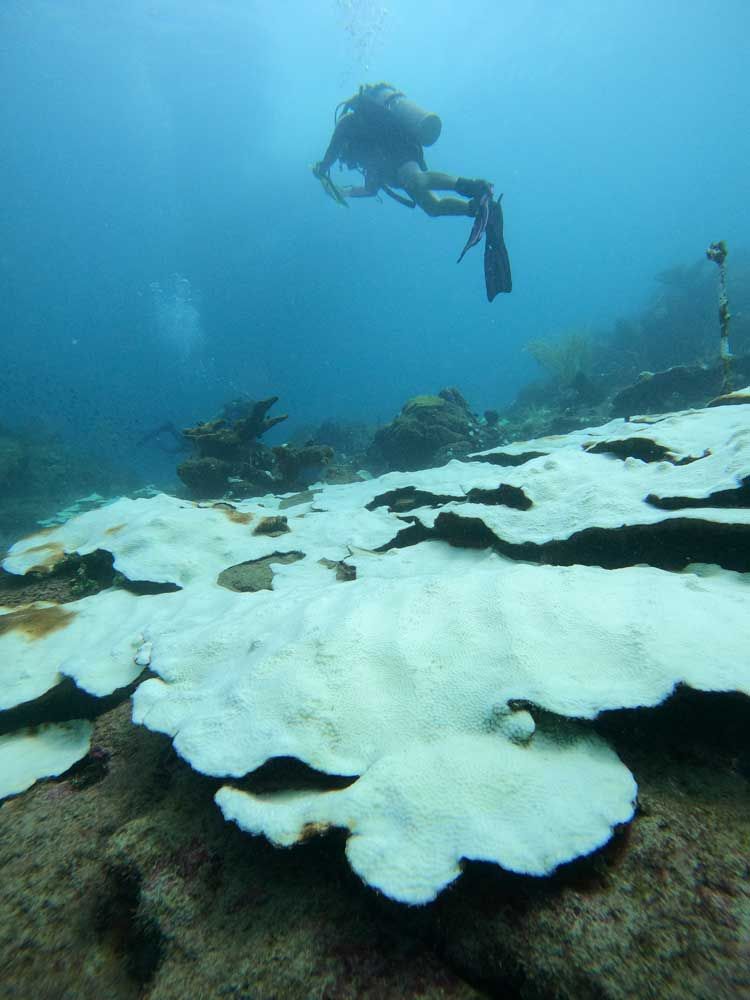
Coral bleaching occurs when rising sea temperatures cause corals to lose the symbiotic algae (zooxanthellae) living in their tissues.
These algae provide coral with the colour and essential nutrients they need to survive; lacking them can cause coral reefs to turn pale and highly exposed, becoming vulnerable to death and diseases.
While the reef begins to bleach, all the life forms living in it are affected.
Coral reefs house millions of species of fish, sea turtles, crustaceans, and invertebrates, many of which depend on them for housing, food, and breeding.
The loss of biodiversity threatens not only marine aspects but also human livelihoods, especially local communities that rely on fishing and tourism.
Rising sea levels are another effect of climate change, especially in the Caribbean, as it results in the destruction of coastal infrastructure and coastal land.

Destruction of coastal lands can disrupt the habitats of species that live near the coast in mangrove and forest ecosystems.
Mangroves are tropical plants that are adapted to loose, wet soils and salt water and are periodically submerged by tides.
In the Caribbean, they play an important role in protecting wildlife and sometimes even people.
Mangroves act as natural barriers against flooding created by heavy rainfall, reducing damage to homes, communities and even some environments.
They also support biodiversity by providing housing and breeding grounds for snails, barnacles, bryozoans, tunicates, molluscs, sponges, polychaete worms, isopods, amphipods, shrimps, crabs, and jellyfish, all of which live either on or in proximity to mangrove root systems.
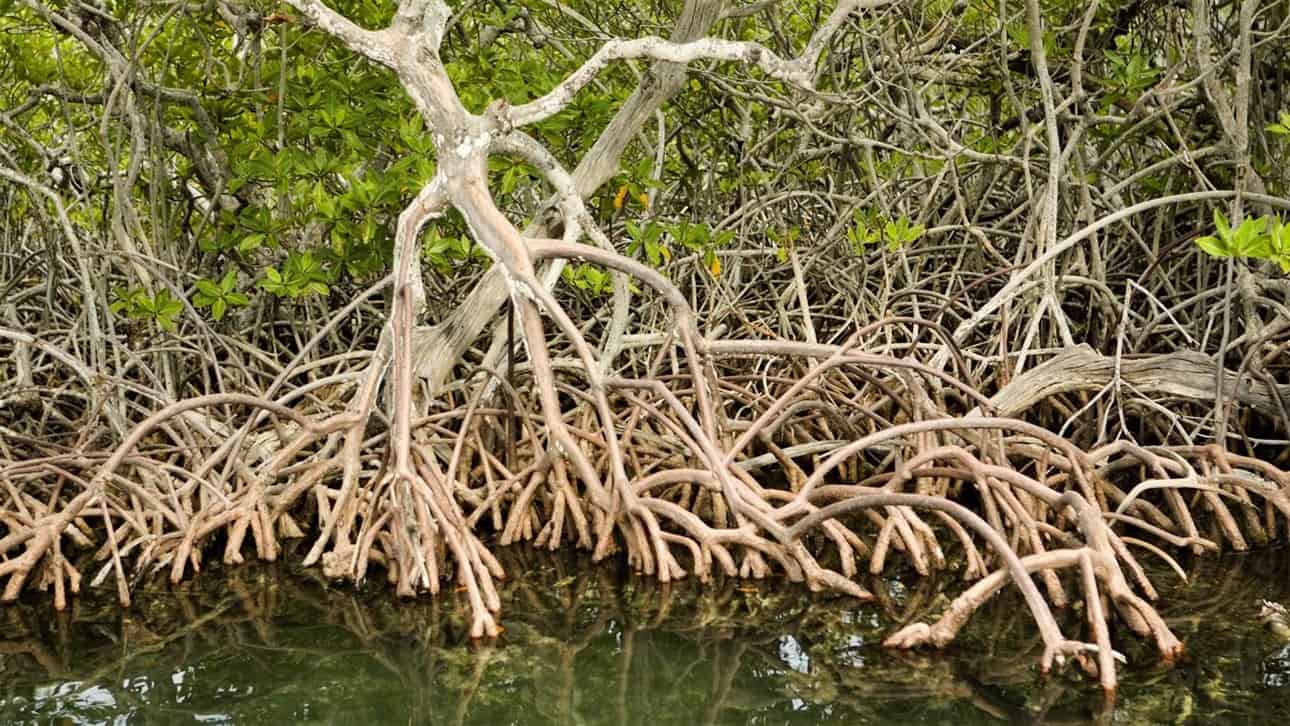
Many local fishermen depend on mangroves for their survival. Many times, young fish, crustaceans and other small marine life grow up in these forests before moving to the open sea.
They are often used as “nurseries”, protection from predators and food sources.
However, rising sea levels threaten mangroves.
If water levels rise too fast or become too salty, the trees may die.
In many areas, mangroves cannot move back because of roads and buildings preventing them from doing so.
Losing mangroves causes coastal erosion, reduced biodiversity, lower water quality, and the release of stored carbon, potentially increasing global warming, the opposite of what we want.
That’s why it’s important to protect existing mangroves and create space for them to grow and adapt.
Protecting our coastlines and biodiversity today means securing a safer, healthier, and more resilient Caribbean for tomorrow’s generations.
A very special thank you to the Scotiabank Foundation for supporting the development of young people through initiatives like the Cari-Bois Youth Journalism Project.