During the second term of the 2024/2025 Academic Year, Cari-Bois partnered with the Scotiabank Foundation to empower ten (10) students with climate journalism skills as part of the third edition of Cari-Bois’ Youth Journalism Project. For their third assignment, students wrote an article about the effects of climate change on biodiversity. This story was written by Chinati St Louis of Speyside High School.
Trinidad and Tobago has a range of different ecosystems including tropical rainforests, coral reefs, mangroves and wetlands.
However, the effects of climate change pose significant threats to the country’s biodiversity.
The effects of rising temperatures, changing precipitation patterns, sea-level rises, and extreme weather events all contribute to the degradation of ecosystems and species decline.
For example, species like the ocelot and Trinidad piping-guan prefer certain temperatures, and their behaviours are also influenced by specific temperatures, which means any changes in temperatures can affect the wellbeing of these species in Trinidad as well as their range.
With increasingly warmer sea-surface temperatures, coral reefs like Tobago’s famed Buccoo Reef will experience greater bleaching incidents because of warmer water temperatures.
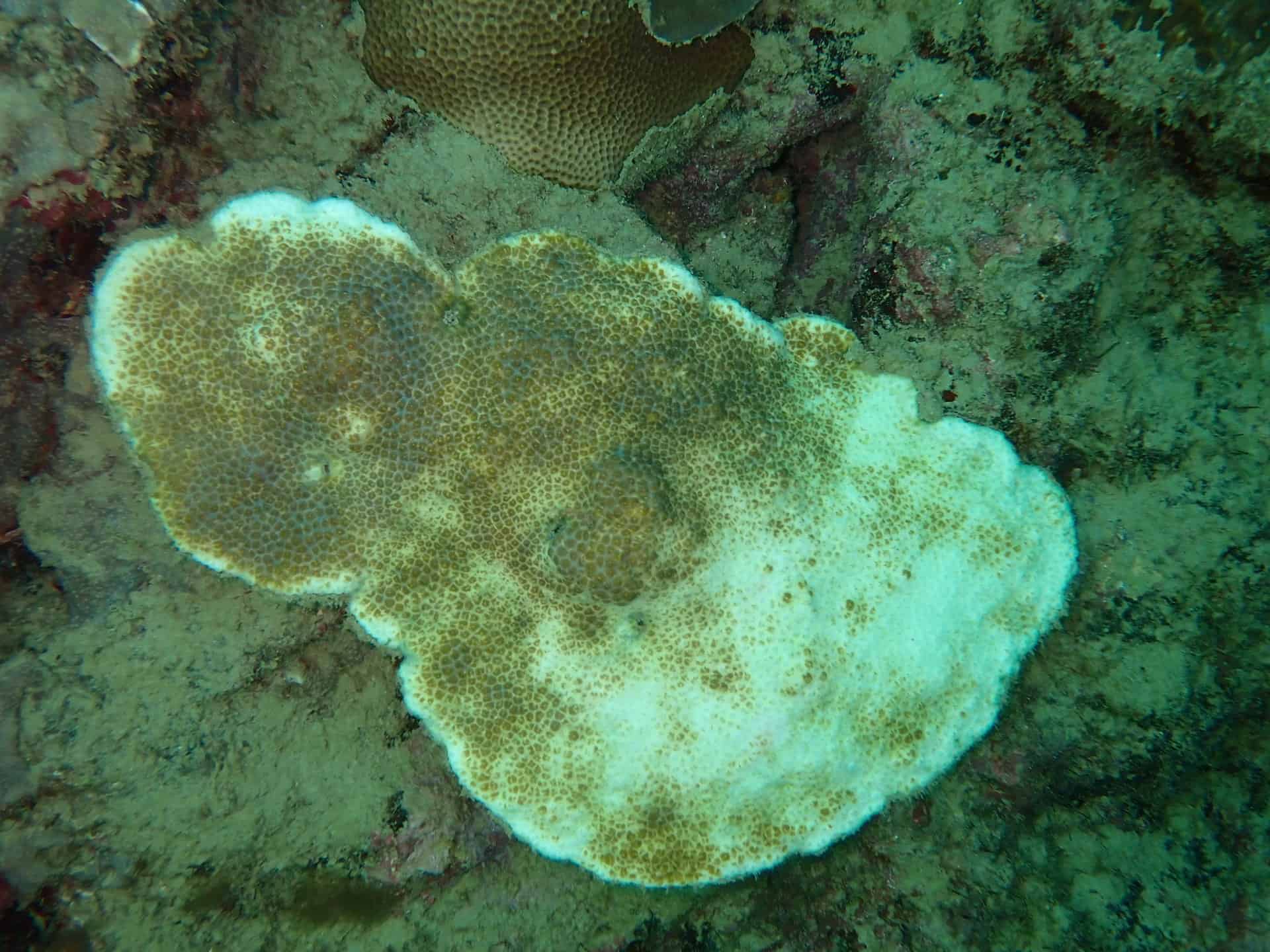
The destruction of marine biodiversity can result in the disruption of fisheries and tourism activities.
With climate change also contributing to more erratic rainfall patterns, periods of drought and persistent drought-like conditions can affect freshwater supply and freshwater species like the guppy.
On a larger scale, extreme weather events fuelled by climate change can destroy entire ecosystems and displace wildlife populations.
In recent years, the Caribbean has also seen a rise in invasive species as a result of changing environmental conditions.
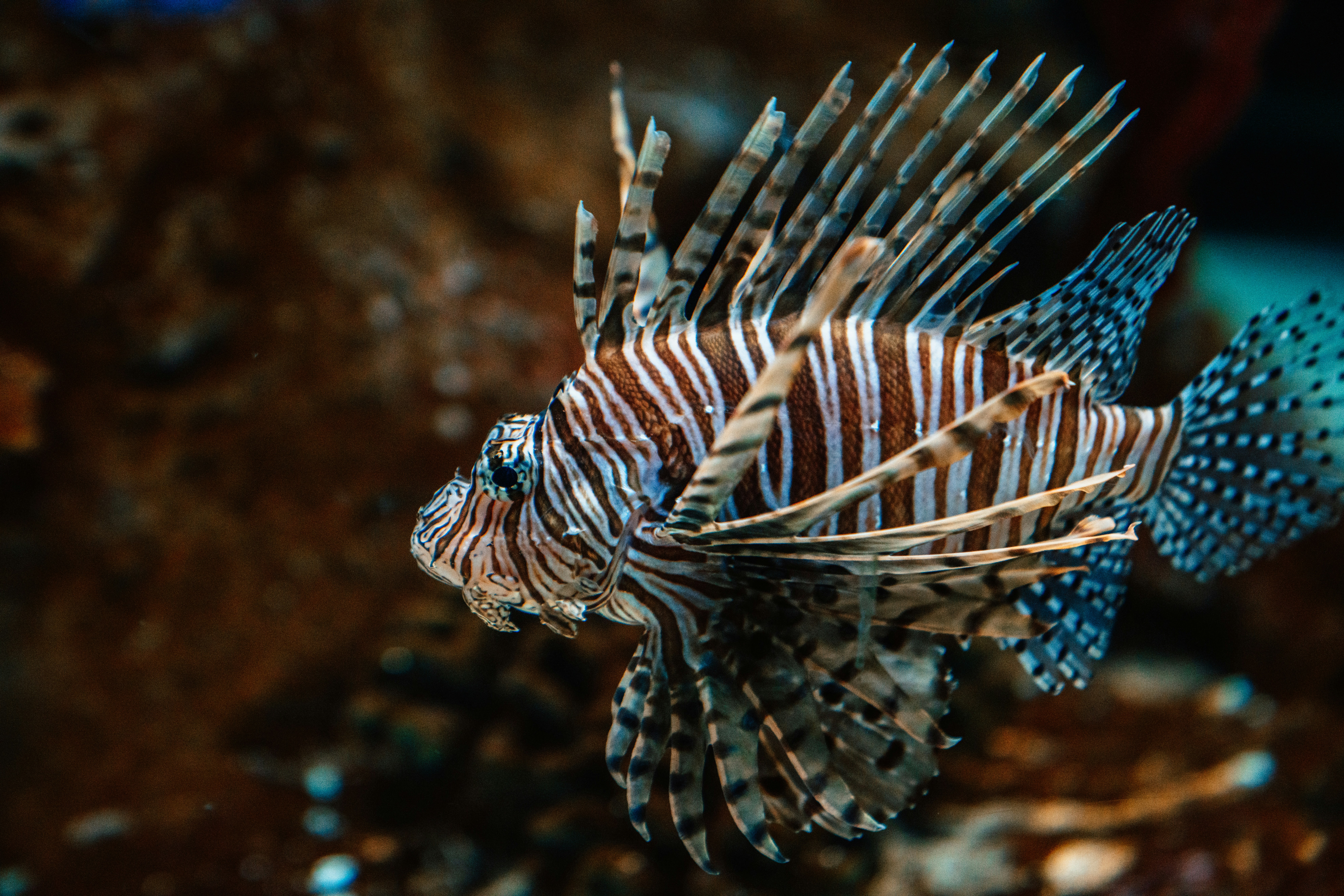
For example, warmer temperatures have enabled the lionfish to spread throughout the region, and the presence of this species has affected the population of marine species that are native to the Caribbean.
Trinidad and Tobago has created multiple conservation strategies to reduce the negative effects of climate change on biodiversity.
Two vital habitats and carbon sinks include Tobago’s Main Ridge Forest Reserve and Trinidad’s Nariva Swamp.
Agencies like the Institute of Marine Affairs (IMA) are supporting efforts to restore coral reefs and the replanting of mangroves alongside public education campaigns to serve as primary environmental restoration measures.
Local communities and scientists, together with policymakers. need to collaborate to improve climate resilience.
To conserve Trinidad and Tobago’s diverse wildlife, people must embrace sustainable resource planning, cut down on carbon output and keep financing renewable energy systems.
A very special thank you to the Scotiabank Foundation for supporting the development of young people through initiatives like the Cari-Bois Youth Journalism Project.