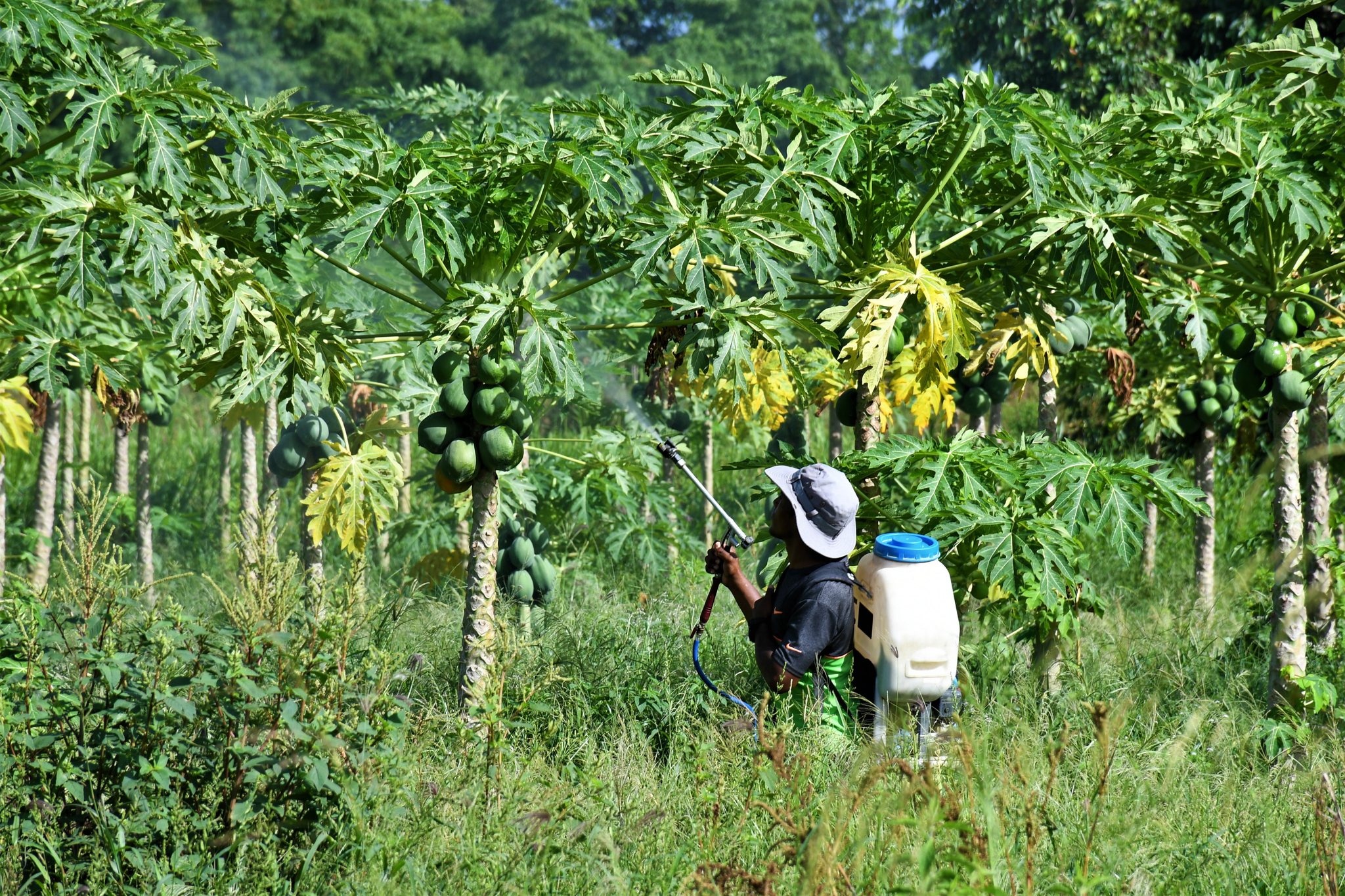
During the first term of the 2024/2025 Academic Year, Cari-Bois partnered with the Scotiabank Foundation to empower ten (10) students with climate journalism skills as part of the second edition of Cari-Bois’ Youth Journalism Project. For their second assignment, students wrote a story about how climate change affects their respective communities. This story was written by La Toya Le Quay of Blanchisseuse Secondary School.
Known for its beaches and thriving agricultural activities, Blanchisseuse is a village located on the northern coast of Trinidad.
Over the past several years, livelihoods in the community have faced challenges associated with changing climatic conditions in Trinidad and Tobago.
Feeling the brunt of climate change are the community’s farmers who are heavily dependent on thriving ecosystems and seasonal cycles for planting and harvesting.
However, with climate change, these cycles have become unpredictable and weather patterns typically associated with the dry and rainy seasons have blurred.
For example, droughts are becoming more prolonged in the community which create water shortages for farmers.
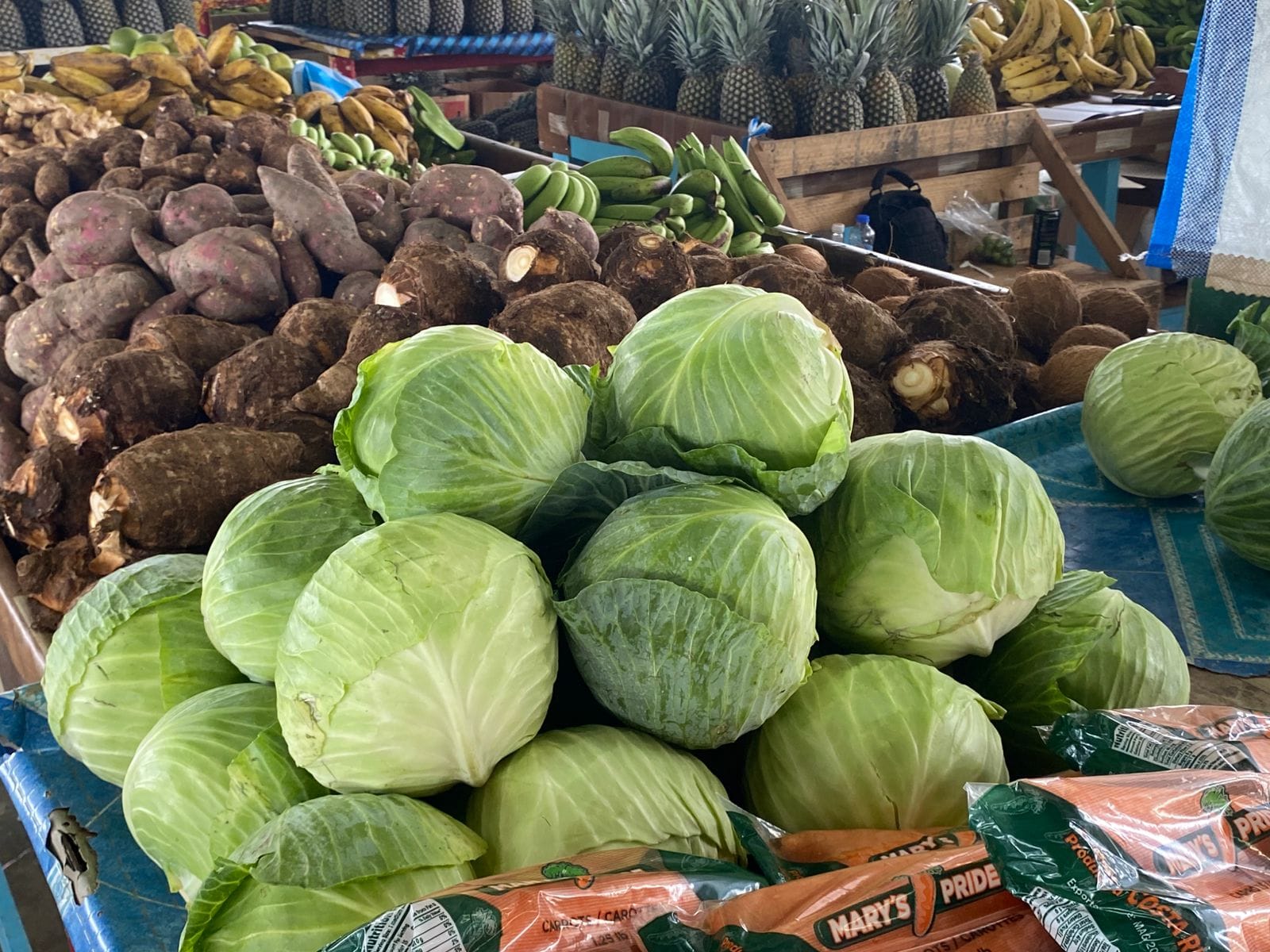
Prolonged droughts also dry the soil in the community which affects soil health and, when heavy rains do come after the drought, there are often floods that erode the soil.
Drought can drop water levels in the waterways that farmers depend on which can lead to pollutants and sediments becoming more concentrated and decreasing the quality of water.
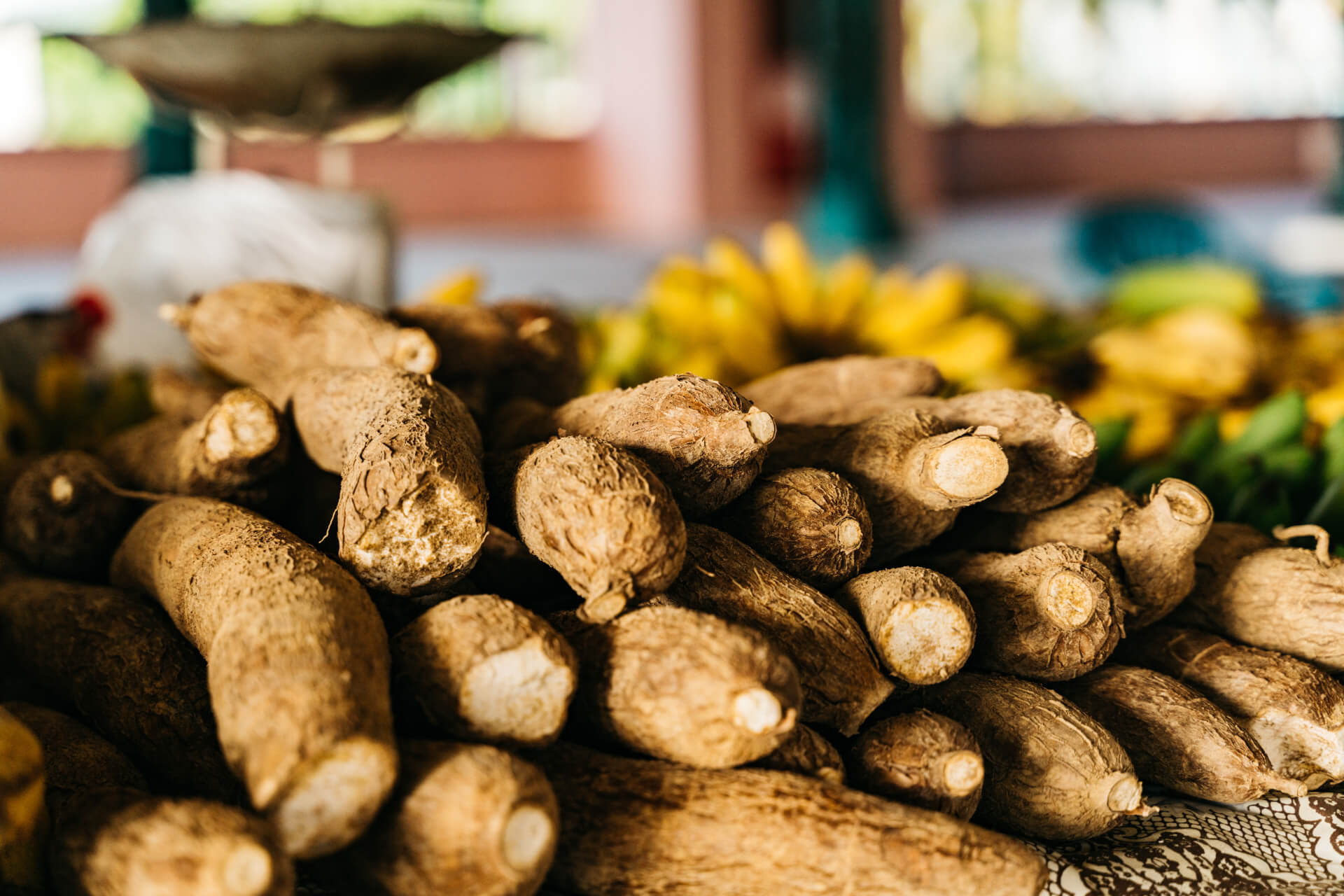
Staple crops, such as cassava and breadfruit, have become harder to cultivate under these conditions.
Warmer temperatures also accelerate the lifecycle of many pests, increasing their populations and introducing new threats that local farmers have not previously encountered.
One Farmer Shares His Experience
Blanchisseuse farmer, Brandon Le Quay, told Cari-Bois that traditional crops no longer thrive as they once did due to temperature changes and inconsistent rainfall.
For instance, breadfruit trees that once bore fruit consistently are now producing less yield in warmer temperatures.
Livestock, too, suffer under the rising temperatures and diminished water resources.
Higher evaporation rates during hot spells and reduced water supply during dry seasons limit water availability for both animals and crops.
As a result, farmers like Le Quay face greater difficulties in maintaining both crop and livestock productivity, which threatens their livelihoods and the food security of the entire community.
Farmers are not the only ones affected by climate change
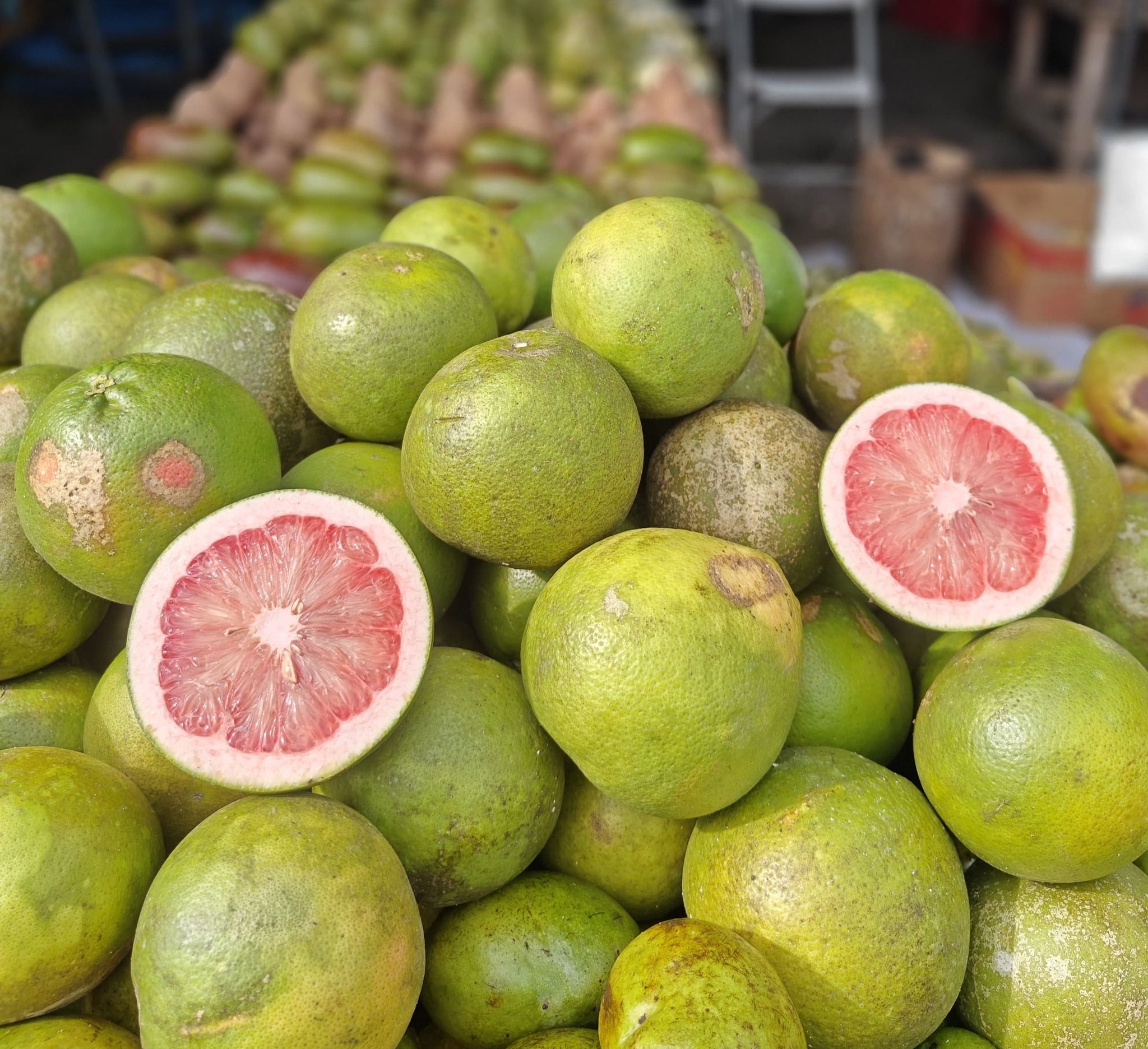
Blanchisseuse’s vulnerability to climate change not only affects farmers but also other local businesses.
Excessive flooding in the community has affected small businesses like shops and eateries.
Some small business owners in the community told Cari-Bois that due to their limited resources, many small business owners have had to dip into personal savings for repairs, hampering their recovery and ability to sustain operations.
Flooding also deters visitors, which affects tourism in the area.
Fewer tourists visiting the village means fewer customers for local businesses, which in turn reduces revenue coming into the community.
Efforts to build climate resilience
To build their resilience, Blanchisseuse farmers are experimenting with practices to better manage the challenges posed by climate change.
For example, implementing water-saving techniques is becoming a common practice as it allows farmers to maximize the limited water they have.
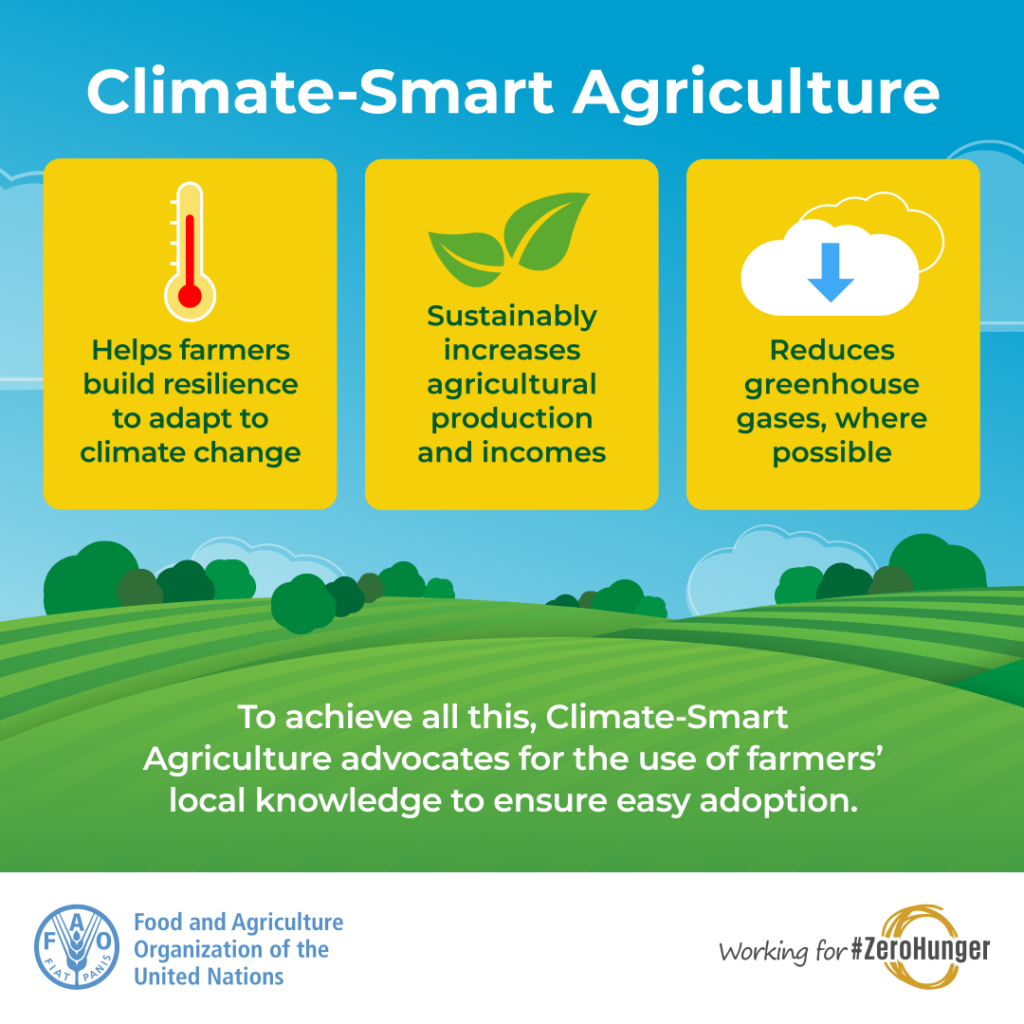
Farmers are also experimenting with crop varieties better suited to the new climate.
With changing temperatures, certain resilient plants are being prioritized, helping to reduce the risk of total crop failure.
More farmers adopting agroforestry can also help reduce soil erosion as the trees can help protect the soil from harsh droughts and provide stabilization during heavy rains.
But these adaptation efforts require resources, training, and, often, additional financial support.
Some local businesses and residents told Cari-Bois that they would like to see a more proactive approach to support from authorities.
The effects of climate change seen in Blanchisseuse mirror the vulnerability of many small agricultural communities worldwide.
The combination of environmental challenges and economic pressures creates a complex situation for this village, which relies on both farming and local businesses.
But as there continues to be a focus on climate resilient agriculture and building overall resilience, the community will need support.
A very special thank you to the Scotiabank Foundation for supporting the development of young people through initiatives like the Cari-Bois Youth Journalism Project.