• About Us
  • Writers
  • Media Gallery
  • Contact Us
Monday, June 22, 2026
No Result
View All Result
JOIN OUR NEWSLETTER
Cari-Bois Environmental News Network
26 °c
Port of Spain
  • Home
  • Agriculture
  • Pollution
  • Climate Change
  • Mining
  • Oil & Gas
  • Forestry
  • Fishing
  • Wildlife
  • Governance
  • More
    • Natural Disaster
    • World Wildlife Day
  • Home
  • Agriculture
  • Pollution
  • Climate Change
  • Mining
  • Oil & Gas
  • Forestry
  • Fishing
  • Wildlife
  • Governance
  • More
    • Natural Disaster
    • World Wildlife Day
No Result
View All Result
Cari-Bois Environmental News Network
No Result
View All Result
Home Climate Change

From disrupting food production to natural ecosystems: climate change affects Trinidad and Tobago 

by Cari-Bois Youth Journalists
December 17, 2024
in Climate Change
0
From disrupting food production to natural ecosystems: climate change affects Trinidad and Tobago 
0
SHARES
391
VIEWS
Share on FacebookShare on LinkedInShare on Whatsapp

During the first term of the 2024/2025 Academic Year, Cari-Bois partnered with the Scotiabank Foundation to empower ten (10) students with climate journalism skills as part of the second edition of Cari-Bois’ Youth Journalism Project. For their first assignment, students had the opportunity to research the effects of climate change on either Trinidad and Tobago or the Caribbean and write a story. This story was written by Sidney Raj of Brazil Secondary School.

As climate change has become a topic of significance in recent years, it is important to understand the phenomenon. 

Scientifically, climate is defined as long-term, sustained climatic conditions in an area for at least 30 years.  

These prevailing climatic conditions usually shape the weather patterns in localized areas and can determine whether an area experiences tropical or desert conditions, for example.  

Given climate influences localized temperatures and weather events, it is important to recognise that rapid changes to climate – especially in accelerated rates like modern climate change – can disrupt lives and livelihoods that are dependent on a stable climate. 

Like other Small Island Developing States (SIDs) in the Caribbean, Trinidad and Tobago has been affected by modern, man-made driven climate change and it is important to understand these changes.    
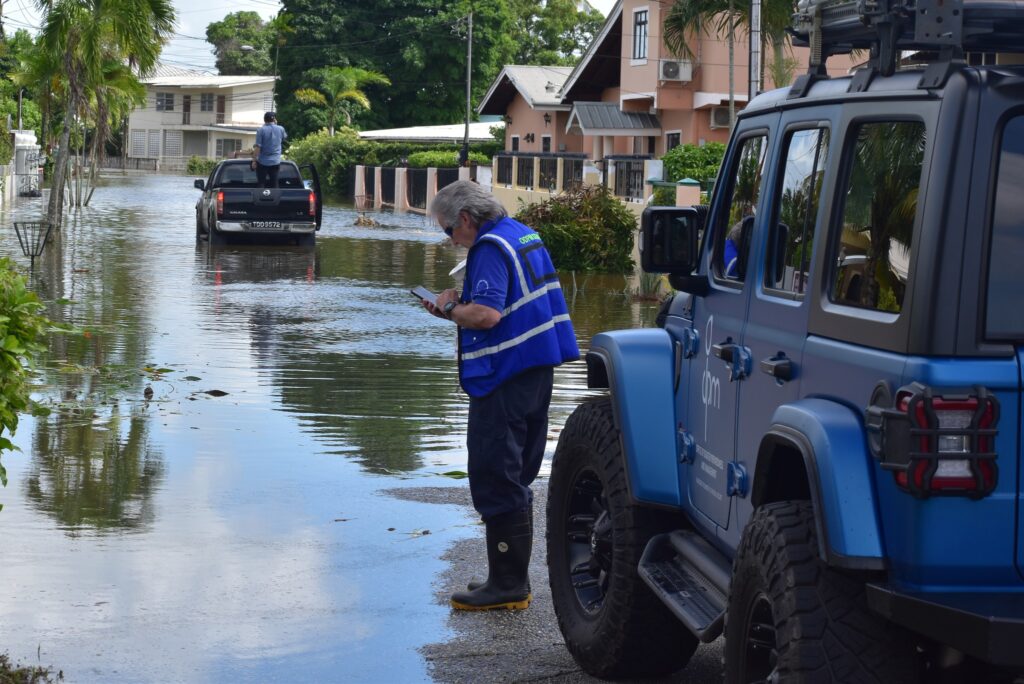
An official from Trinidad and Tobago’s Office of Disaster Preparedness and Management conducts a reconnaissance, verification and data collection exercise during a flood in October 2024. (Photo Courtesy The Office of Disaster Preparedness and Management)

Disruptions to Agricultural Production and Water Supply 

Climate change affects rainfall patterns, which can lead to water scarcity (drought) that impact agricultural productivity and reduces water availability for irrigation and livestock raring.   

Changes in temperature and precipitation can also disrupt crop cycles and reduce yields, affecting food security and livelihoods.  

Intense rainfall and storms can cause flooding which can destroy entire fields of crops. 

These changes affect the consumer market because produce is higher priced  

Increase in Vector-Borne Diseases 

Increasing temperatures create favorable conditions for disease vectors like mosquitoes and rodents.  

Trinidad and Tobago may experience an increase in diseases such as dengue fever, malaria, leptospirosis just to name a few which are transmitted by mosquitoes and rodents.  
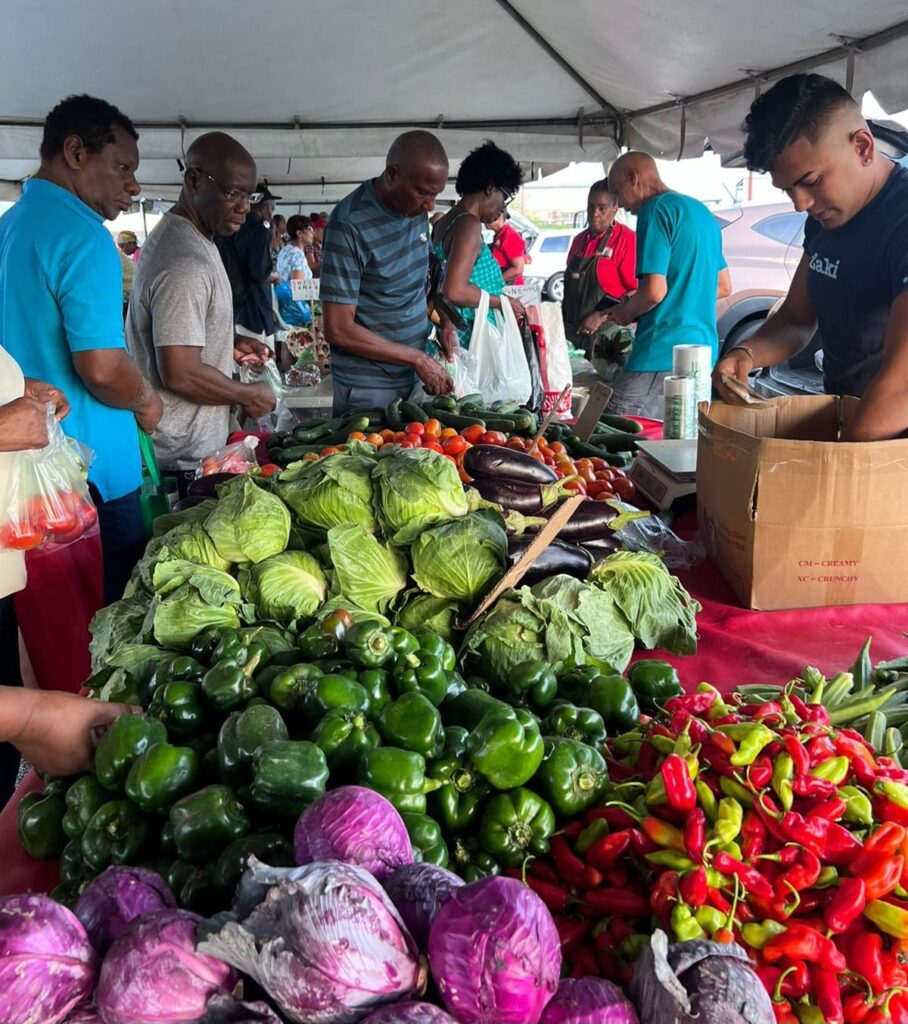
Members of the public buy fresh produce from a farmer at an Arima Farmer’s Market, located in the External Car Park at the Larry Gomes Stadium, in May 2024. Apart from crops being destroyed by extreme weather conditions, farmers also have to contend with rising production costs as they navigate changing growing conditions which can affect food prices. (Photo Courtesy The National Agricultural Marketing and Development Corporation)

Coastal Erosion  

Both islands are vulnerable to coastal erosion due to rising sea levels. 

This rising sea level can disrupt the stability of beaches, infrastructure, and natural habitats are at risk.  

The wellbeing of the country’s marine flora and fauna are also at risk as reefs, fish species, and marine vegetation, are at risk of dying off due to rising ocean temperatures. 

Increased Vulnerability to Flooding 

Intense rainfall events can cause flooding which affects homes, businesses, and transportation networks.  

Trinidad and Tobago must try to adapt to these changing conditions.  

Upgrading infrastructure plays a key role in reducing flooding and its effects.  

For example, proper drainage and dredging of water courses can assist in reducing flash flooding in low laying areas.  

With climate change affecting local precipitation patterns, more extreme rainfall events in recent years have frequently widened the mouth of the Grande Riviere River which has in turn affected the stability of the Grande Riviere Beach coastline. Extreme floods and intense erosion have affected leatherback turtles nesting on the beach. (Photo Courtesy Dr. Anjani Ganase)

Adaptation Strategies 

To mitigate these impacts, Trinidad and Tobago must adopt climate-smart agricultural practices that promote climate-resilient crops to enhance food security in the face of changing climate conditions.    

The country must also invest in climate resilient infrastructure and develop comprehensive water management plans.  

While there are things that must be done at the level of those in authority, addressing climate change is something that requires collective efforts.  

This means personal and community efforts are also important to strengthen climate resilience.  

It is essential to continue raising awareness, implementing adaptation strategies, and advocating for sustainable practices. 

A very special thank you to the Scotiabank Foundation for supporting the development of young people through initiatives like the Cari-Bois Youth Journalism Project 

Tags: Climate ChangeTrinidad and TobagoYouthYouth Journalism
Cari-Bois Youth Journalists

Cari-Bois Youth Journalists

In the 2024/2025 academic year, Cari-Bois will work closely with ten secondary schools across Trinidad and Tobago to empower a total of 20 students with journalism skills and climate knowledge. With funding support from the Scotiabank Foundation, the project aims to challenge each student to write and publish three climate stories to raise awareness about the effect of the climate crisis on their communities and beyond. The project’s stories are set to be published under a special social media campaign titled the “Green Gazette” that will be shared across the social media platforms of Cari-Bois.

Next Post
How do Small Island Developing States navigate the UN Climate Conference?

How do Small Island Developing States navigate the UN Climate Conference?

Explore by Region

  • Caribbean
  • Antigua and Barbuda
  • Barbados
  • Belize
  • Guyana
  • Haiti
  • Jamaica
  • St Vincent
  • Suriname
  • Trinidad
  • Tobago
  • World
Facebook Twitter Youtube RSS

About Us

Cari-Bois is a Caribbean-wide community that brings together communities, academic, scientists, and journalists, to further educate the region about present-day environmental issues which affect the wellbeing of the region’s natural resources and livelihoods.

Article Categories

  • Agriculture
  • Climate Change
  • Fishing
  • Forestry
  • Mining
  • Natural Disaster
  • Oil & Gas
  • Policy & Governance
  • Pollution
  • Special Reports
  • Wildlife
  • World Wildlife Day

Supported under the 'Caribbean Natural Capital Hub' of ANSA Merchant Bank and ANSA Bank. Learn more here.

© 2024 Caribois Environmental News Network. All Rights Reserved. | Privacy Policy
The contents of this website are the sole responsibility of the project partners and can under no circumstances be regarded as reflecting the position of the European Union.

Welcome Back!

Login to your account below

Forgotten Password?

Retrieve your password

Please enter your username or email address to reset your password.

Log In

Add New Playlist

No Result
View All Result
  • Home
  • Explore By Category
    • Agriculture
    • Climate Change
    • Fishing
    • Forestry
    • Mining
    • Oil & Gas
    • Policy & Governance
    • Pollution
    • Wildlife
    • Natural Disaster
    • Special Reports
    • World Wildlife Day
  • Explore by Region
    • Caribbean
    • Antigua and Barbuda
    • Barbados
    • Belize
    • Guyana
    • Haiti
    • Jamaica
    • St Vincent
    • Suriname
    • Trinidad
    • Tobago
    • World
  • Media Gallery
  • About Us
  • Contact Us

© 2024 Caribois Environmental News Network. All Rights Reserved. | Privacy Policy
The contents of this website are the sole responsibility of the project partners and can under no circumstances be regarded as reflecting the position of the European Union.