• About Us
  • Writers
  • Media Gallery
  • Contact Us
Tuesday, June 23, 2026
No Result
View All Result
JOIN OUR NEWSLETTER
Cari-Bois Environmental News Network
26 °c
Port of Spain
  • Home
  • Agriculture
  • Pollution
  • Climate Change
  • Mining
  • Oil & Gas
  • Forestry
  • Fishing
  • Wildlife
  • Governance
  • More
    • Natural Disaster
    • World Wildlife Day
  • Home
  • Agriculture
  • Pollution
  • Climate Change
  • Mining
  • Oil & Gas
  • Forestry
  • Fishing
  • Wildlife
  • Governance
  • More
    • Natural Disaster
    • World Wildlife Day
No Result
View All Result
Cari-Bois Environmental News Network
No Result
View All Result
Home Forestry

Is it feasible to use Blue Carbon to finance mangrove conservation in Trinidad and Tobago? 

by Institute of Marine Affairs
June 5, 2024
in Forestry, Policy & Governance, Wildlife
0
Is it feasible to use Blue Carbon to finance mangrove conservation in Trinidad and Tobago? 
0
SHARES
291
VIEWS
Share on FacebookShare on LinkedInShare on Whatsapp

This article was written on behalf of the Institute of Marine Affairs (IMA) by Dr Rahanna Juman, Deputy Director of Research and Wetlands Ecologist.  

The Institute of Marine Affairs (IMA) is collaborating with the Inter-American Development Bank (IDB) to pilot a Blue Carbon Credit System in Trinidad and Tobago.    

The project aims to design a high-quality blue carbon credit scheme to improve digital mapping, monitoring, reporting, and verification of ecosystem services.  

The project also seeks to promote management, and ownership, of natural capital to create practical opportunities for livelihood enhancements and revenue generation.  
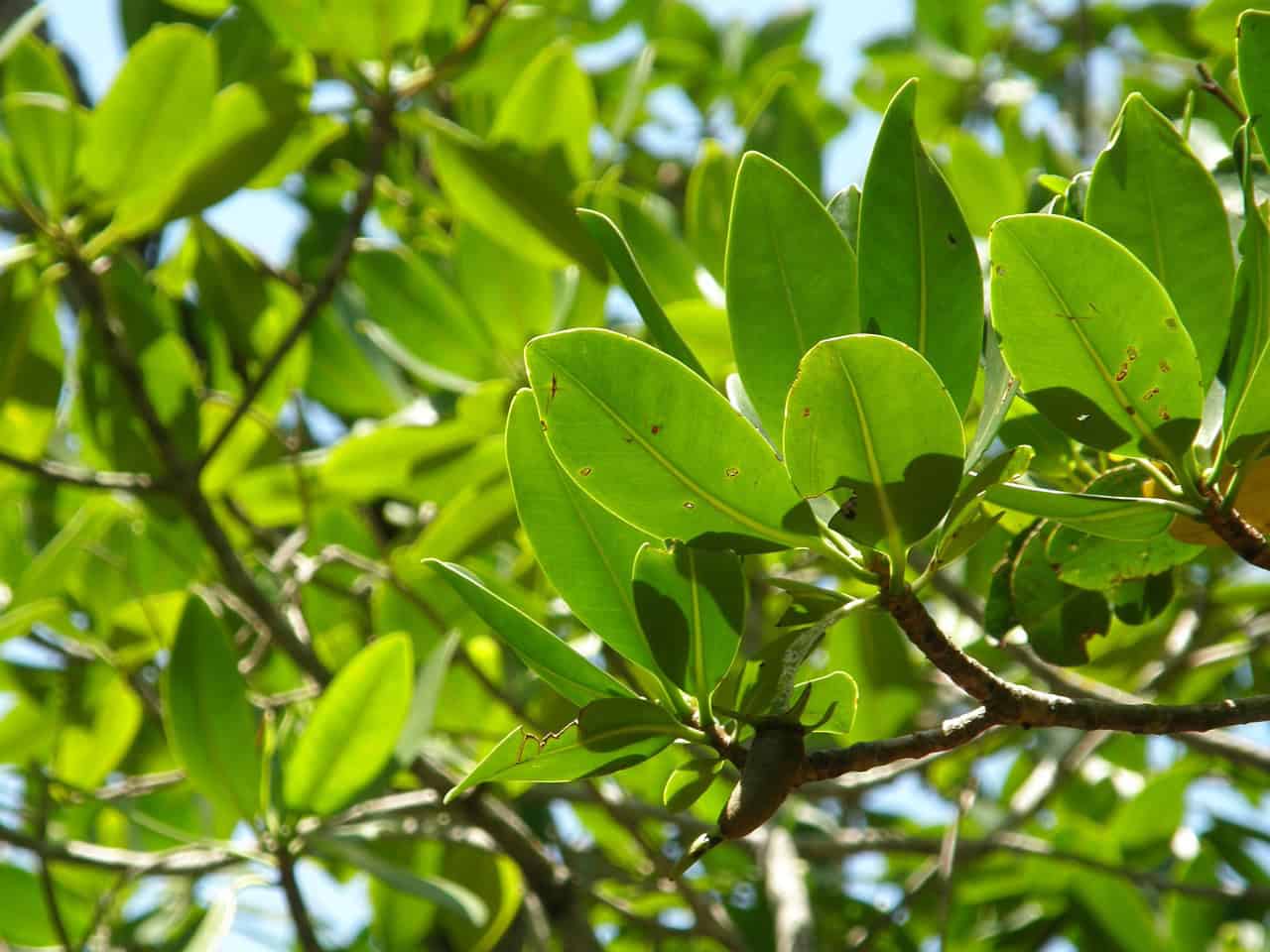
Current studies suggest that mangroves and coastal wetlands annually sequester carbon at a rate ten times greater than mature tropical forests. They also store three to five times more carbon per equivalent area than tropical forests. (Information Courtesy the National Oceanic and Atmospheric Administration and Picture Courtesy Suzanne D Williams via Pixabay)

Understanding “Blue Carbon” Ecosystems

Marine ecosystems – particularly tidal marshes, seagrass beds, and mangrove forests – absorb (sequester) and store carbon within biomass and soils.   

Commonly referred to as “blue carbon” ecosystems because of their relevance to the global carbon cycle, these marine ecosystems provide climate mitigation benefits and a range of other ecosystem services that support coastal livelihoods and adaptation to climate change.   

But studies have shown that mangroves absorb and store carbon at higher rates when compared to other ecosystems.   

As such, mangrove forests are amongst the most carbon-rich ecosystems in the tropics and are one of the most efficient long-term natural carbon stores.   
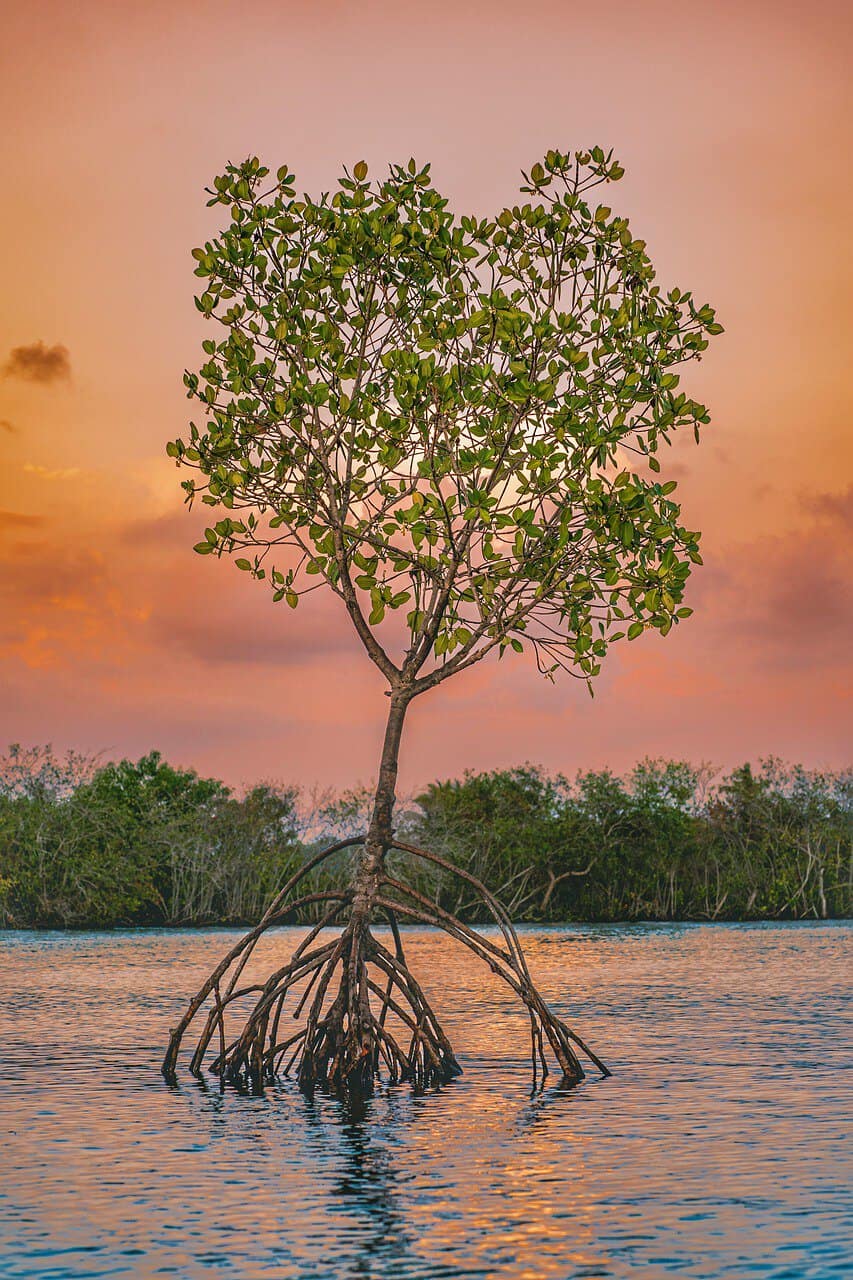
It is estimated that the average annual carbon sequestration rate for mangroves averages between 6 to 8 Mg CO₂e/ha (tons of CO₂ equivalent per hectare). (Information Courtesy the Blue Carbon Initiative and Photo Courtesy Nandhu Kumar via Pixabay)

Given their high sequestration rates, experts consider mangroves to play a major role in regulating the global carbon flux.  

On average, mangroves have a mean whole-ecosystem carbon stock around 2.5 to five times higher than the mean ecosystem carbon stock found in temperate, boreal, and upland tropical forests.   
Mangroves are one of the top three carbon-capturing ecosystems on Earth, sequestering many times more CO2 than most comparable biomes, including seagrass meadows and dry jungle. (Information Courtesy the Center for International Forestry Research and Picture Courtesy Bishnu Sarangi via Pixabay)

Blue Carbon Ecosystems in Trinidad and Tobago

Initial estimates show that mangrove forests in Trinidad and Tobago store at least 1,118,630.99 tonnes of carbon.  

When mangrove forest carbon in Tobago was compared to terrestrial forest carbon, data showed that the mangrove forests stored 61 per cent more carbon per hectare. 

In Trinidad, mangrove forests stored 44 per cent more carbon per hectare than terrestrial forests.  

But despite their critical role, there is an increasing loss of mangrove forest systems because of ill-advised development and activities.  

These include pollution, coastal development, extractive activities, unsustainable aquaculture, agricultural practices, and intense weather events such as storms.  

The UN Food and Agriculture Organisation estimated there has been a decline of 1.04 million hectares of mangroves between 1990 and 2020.   

In Trinidad, mangrove ecosystems declined from 7,345.54 hectares in 2007 to 6,941.68 in 2020.   

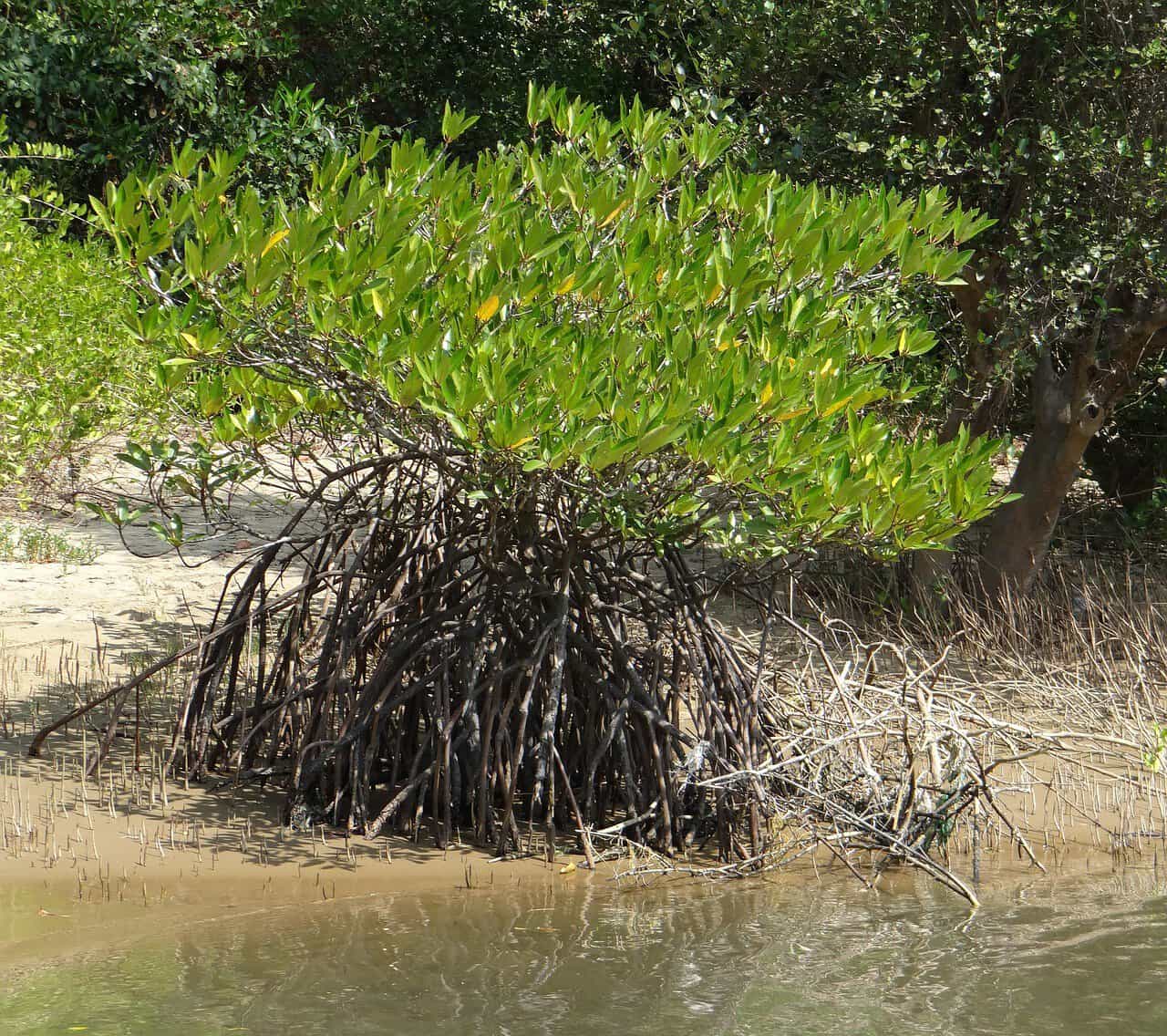
Mangroves and the destruction of mangrove habitat is caused by both human and natural causes. Human activities in the form of farming, aquaculture, urban development and natural stressors such as erosion and extreme weather have driven mangrove habitat loss. (Information Courtesy Prevention Web and Picture Courtesy Pat Josse via Pixabay)

Investing in Blue Carbon to Protect Mangroves

The loss of mangroves directly results in a decline of carbon sequestration and a potential increase in carbon emissions as their carbon stocks are released when degraded.  

Deforestation, forest degradation, and land-use change account for the second largest anthropogenic source of carbon emissions (approximately eight to 20 per cent). 

When factored in, mangrove loss is an important contributor to these emissions as mangroves are carbon-rich ecosystems.   

Over the past several years, mangrove conservation has been promoted with increased vigour in global climate negotiations due to its potential to mitigate greenhouse gas emissions. 

Given the significant storage potential of blue carbon, the blue carbon credit market (as a subset of the carbon credit market) is experiencing growing momentum.  
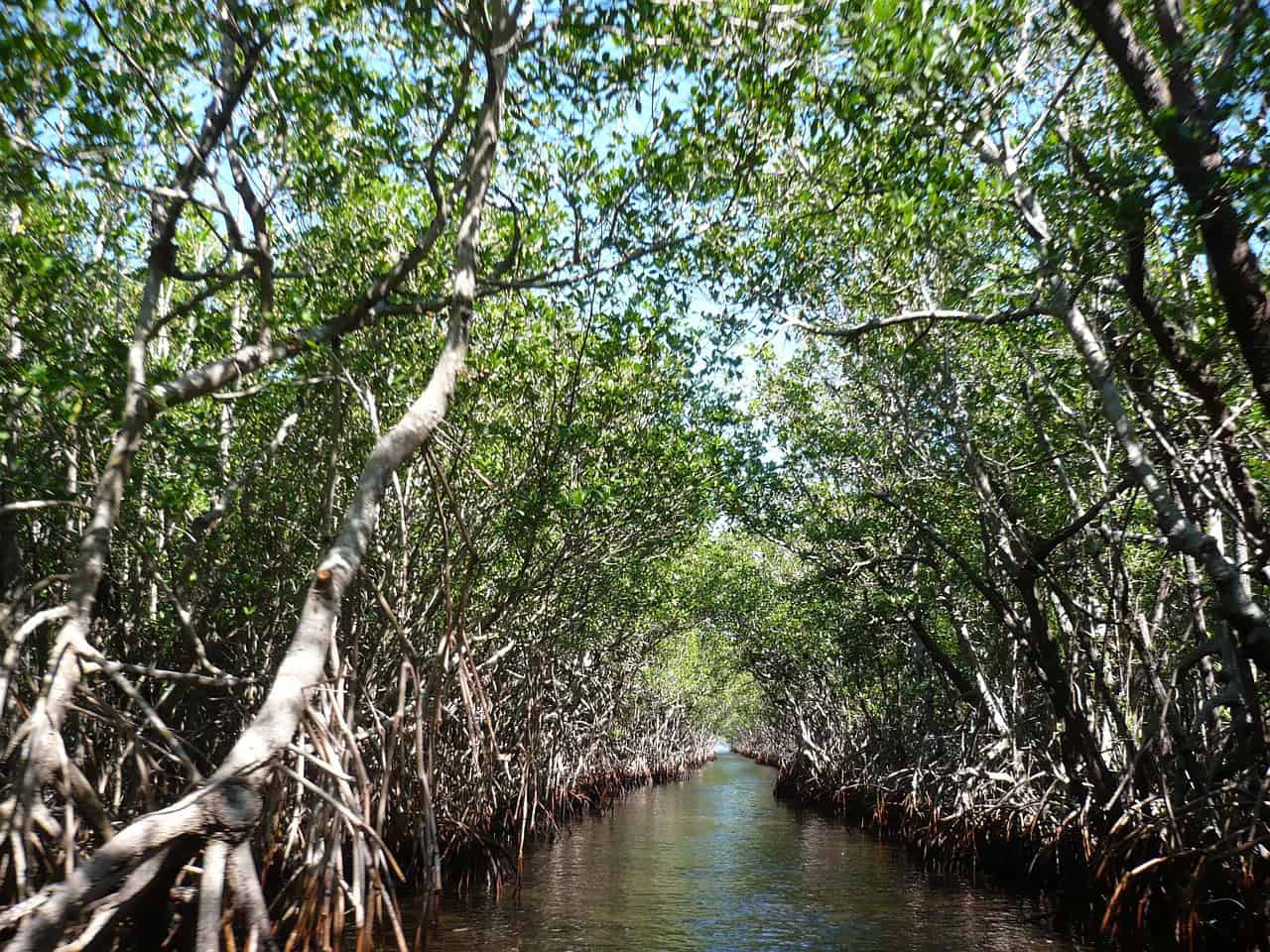
“Blue carbon” refers to carbon that is captured from the atmosphere and stored in marine and coastal ecosystems like seagrass meadows, mangroves and tidal marshes. (Information Courtesy the World Resources Institute and Photo Courtesy Ravini via Pixabay)

Supported by Article 6 of the Paris Agreement, the carbon credit market has been identified as a key mechanism to create an economic incentive for reducing greenhouse gas emissions cost-effectively. 

There is recognition that these carbon markets can bridge the shortfall for countries in financing climate action goals listed in their National Determined Contributions (NDC).   

For example, Trinidad and Tobago’s NDC (2018) includes provisions to pursue the development of a feasible carbon trading scheme aimed at reducing emissions in the industrial sector.  

In fact, 83 per cent of NDCs intend to use these carbon finance mechanisms to reduce greenhouse gas emissions (GHG).
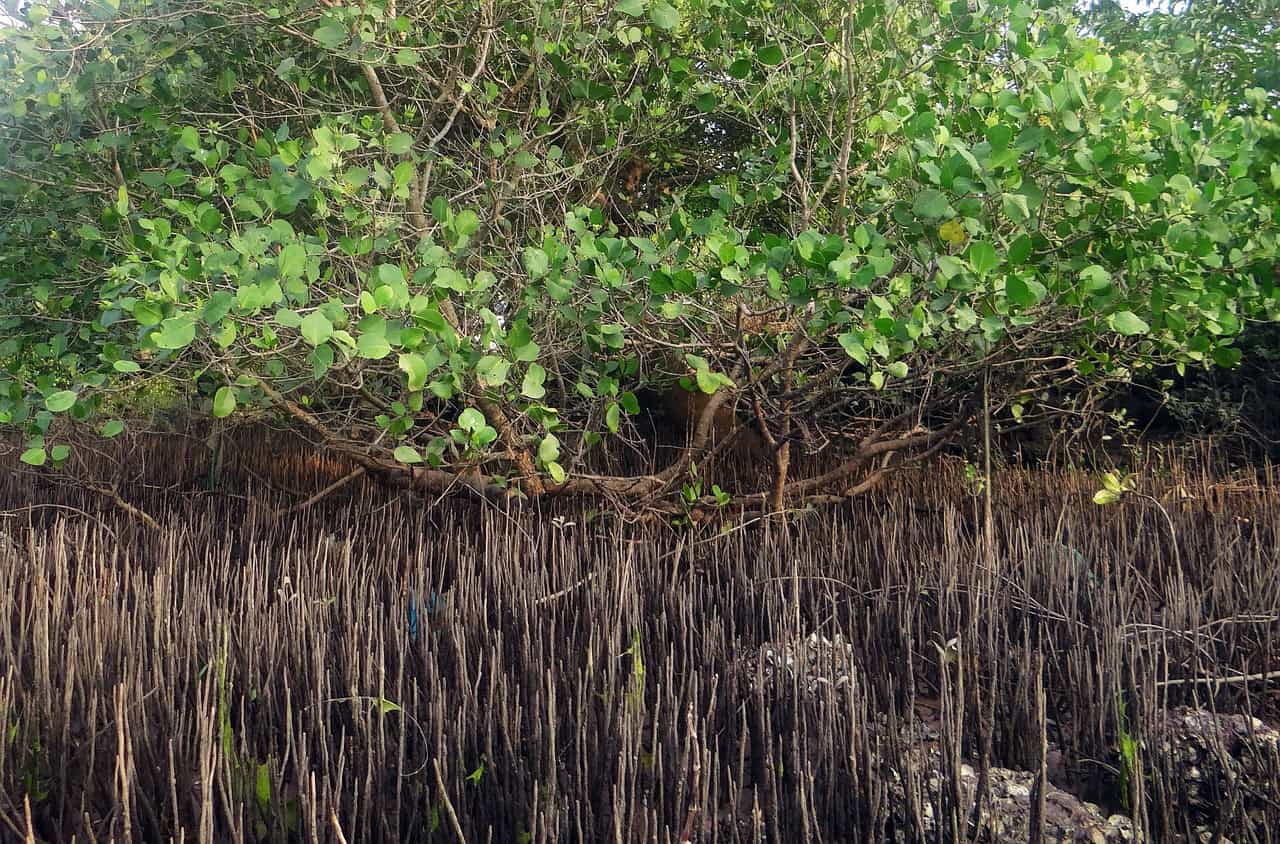
The Blue Carbon project, which will soon be completed, was initiated in January 2021 and involves the analysis of soil cores from various mangrove sites around the country, including sites at the Caroni Swamp and Nariva Swamp. Research sites were carefully selected to cover the wide gamut of environmental variables faced by mangroves. (Information Courtesy Trinidad and Tobago’s Ministry of Planning and Photo Courtesy Bishnu Sarangi via Pixabay)

Trinidad and Tobago’s Blue Carbon Credit Scheme

Internationally, the carbon market has challenges like double counting greenhouse gas (GHG) emission reductions and greenwashing.  

As a subset of the carbon market, the blue carbon market faces similar challenges.  

With growing corporate demand, there is a need to verify these credits and ensure they are of high quality, which places significant emphasis on the livelihoods supported by these ecosystems.  

Coupled with the need for high-quality credits, there is a need for a robust Measurement, Reporting, and Verification (MRV) system to ensure environmental integrity under these market mechanisms.    

The IMA’s collaborative project with the IDB aims to simulate a high-quality blue carbon credit scheme for Trinidad and Tobago.   

It is envisioned that this blue carbon market ecosystem will include participation by public sector entities, communities, non-governmental organisations, community-based organisations, investors and both local and international private sector.   
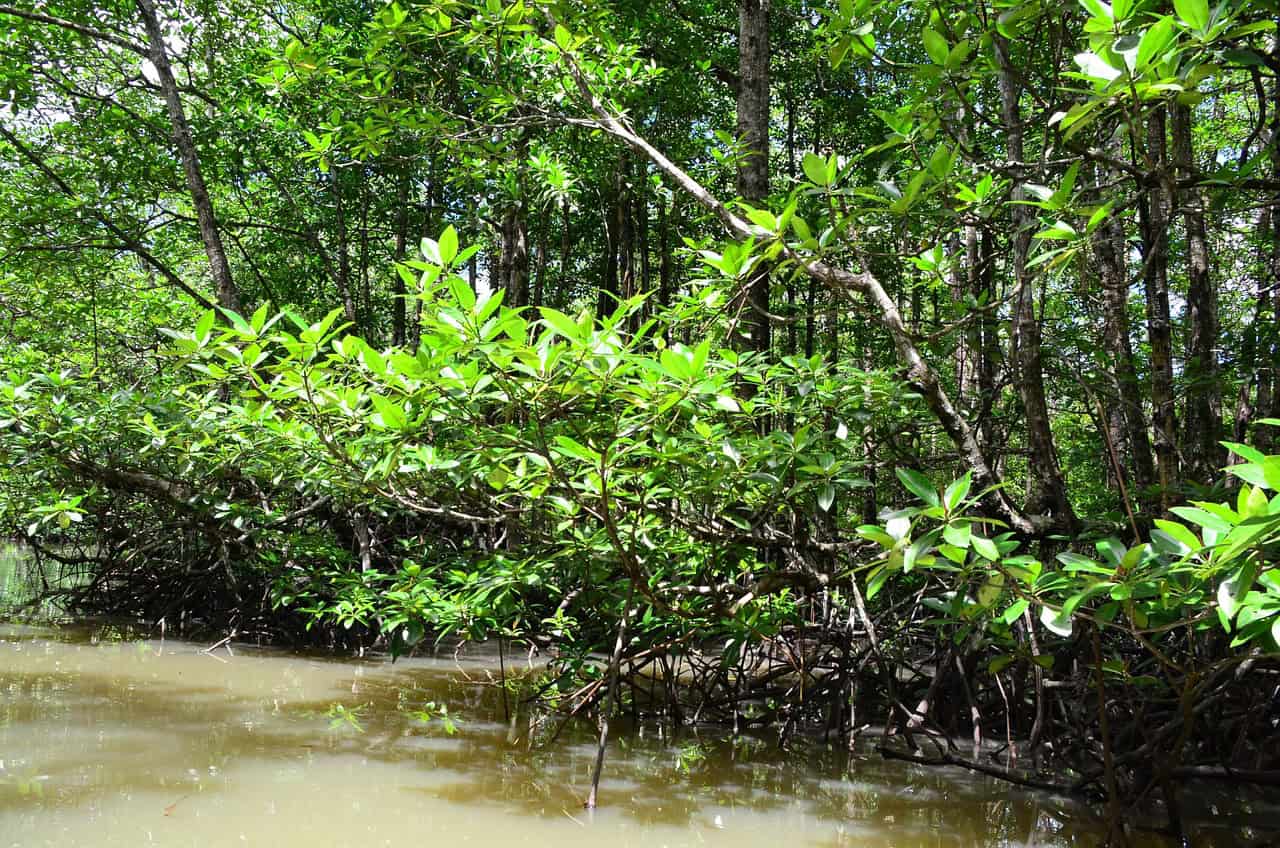
This soil carbon project builds upon a previous study conducted in 2020 by Professor John Agard of the University of the West Indies in collaboration with the IMA. That study measured the carbon content of mangrove trees specifically. Together with that research, the IMA is set to develop the most accurate estimation of Mangrove Forest Carbon Storage ever done for Trinidad and Tobago. (Information Courtesy Trinidad and Tobago’s Planning Ministry and Photo Courtesy Jay Park via Pixabay)

The scheme will develop a digital Monitoring, Reporting and Verification system. 

Platforms will be made available to register the carbon credits generated from rehabilitation projects and facilitate blue carbon knowledge sharing events in both Trinidad and Tobago. 

The IMA has is conducting ongoing research to assess carbon capture and storage in mangroves, seagrass biomass and soils. 

The research is particularly looking to see if these ecosystems can serve as an offset against carbon dioxide emissions from industry which can create an opportunity to explore developing a high-quality blue carbon credits program.  

The development of a scheme will support Trinidad and Tobago in meeting its NDC targets, developing its Blue Economy, and conserving its blue carbon ecosystems. 

For more information on the IMA’s Blue Carbon Project, you can:

Visit www.ima.gov.tt

Follow @imagovtt on Facebook, Instagram, TikTok and X (Formerly Twitter)

Connect with the IMA on LinkedIn: https://linkedin.com/company/imagovtt

Tags: Blue CarbonForestryinstitute of marine affairsMangrovesTrinidad and Tobago
Institute of Marine Affairs

Institute of Marine Affairs

The Institute of Marine Affairs (IMA) is a multi-disciplinary marine and environmental research organisation. The Institute was mandated to collect, analyse and disseminate information relating to the economic, technological, environmental, social and legal developments in marine affairs and to formulate and implement specific programmes/projects.

Next Post
Can blue bonds be the solution to Belize’s debt? 

Can blue bonds be the solution to Belize’s debt? 

Explore by Region

  • Caribbean
  • Antigua and Barbuda
  • Barbados
  • Belize
  • Guyana
  • Haiti
  • Jamaica
  • St Vincent
  • Suriname
  • Trinidad
  • Tobago
  • World
Facebook Twitter Youtube RSS

About Us

Cari-Bois is a Caribbean-wide community that brings together communities, academic, scientists, and journalists, to further educate the region about present-day environmental issues which affect the wellbeing of the region’s natural resources and livelihoods.

Article Categories

  • Agriculture
  • Climate Change
  • Fishing
  • Forestry
  • Mining
  • Natural Disaster
  • Oil & Gas
  • Policy & Governance
  • Pollution
  • Special Reports
  • Wildlife
  • World Wildlife Day

Supported under the 'Caribbean Natural Capital Hub' of ANSA Merchant Bank and ANSA Bank. Learn more here.

© 2024 Caribois Environmental News Network. All Rights Reserved. | Privacy Policy
The contents of this website are the sole responsibility of the project partners and can under no circumstances be regarded as reflecting the position of the European Union.

Welcome Back!

Login to your account below

Forgotten Password?

Retrieve your password

Please enter your username or email address to reset your password.

Log In

Add New Playlist

No Result
View All Result
  • Home
  • Explore By Category
    • Agriculture
    • Climate Change
    • Fishing
    • Forestry
    • Mining
    • Oil & Gas
    • Policy & Governance
    • Pollution
    • Wildlife
    • Natural Disaster
    • Special Reports
    • World Wildlife Day
  • Explore by Region
    • Caribbean
    • Antigua and Barbuda
    • Barbados
    • Belize
    • Guyana
    • Haiti
    • Jamaica
    • St Vincent
    • Suriname
    • Trinidad
    • Tobago
    • World
  • Media Gallery
  • About Us
  • Contact Us

© 2024 Caribois Environmental News Network. All Rights Reserved. | Privacy Policy
The contents of this website are the sole responsibility of the project partners and can under no circumstances be regarded as reflecting the position of the European Union.