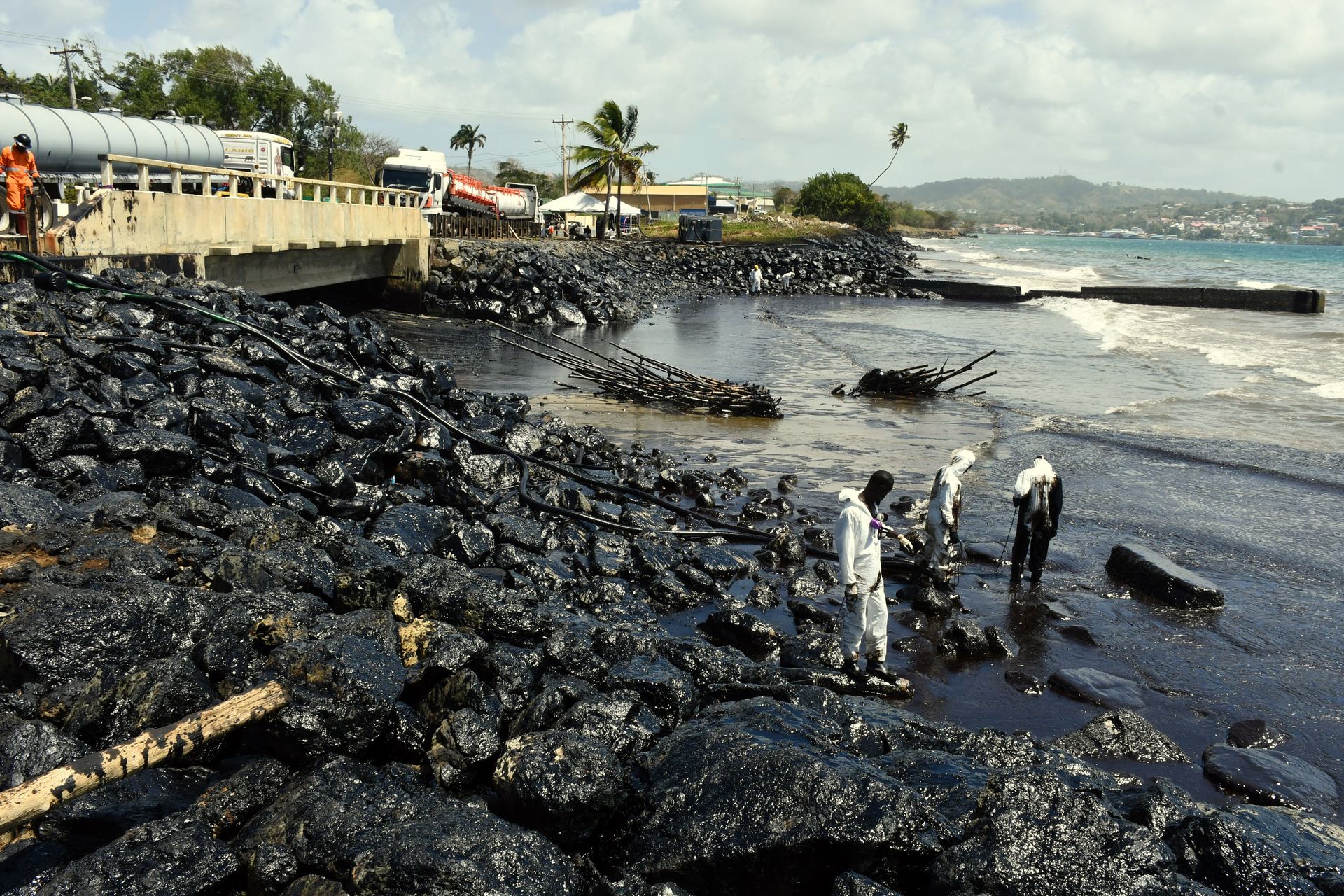
With Trinidad and Tobago positioned between two regional oil-producing giants – Venezuela and, recently, Guyana – the country’s vulnerability to potential spills has undoubtedly increased.
Combined, Guyana and Venezuela produce nearly 1 million barrels of oil per day, compared to Trinidad and Tobago’s approximately 58,000.
As such, the existence and efficacy of policies governing the remediation of oil disasters between Trinidad and Tobago and its oil industry neighbours are paramount to the country’s protection in the event of a major spill.
T & T and Venezuela
With over a century each in the oil industry and over 60 years of diplomatic relations, Trinidad and Tobago and Venezuela have partnered to create protocols for oil spill management, namely, the Bilateral Oil Spill Contingency Plan between Trinidad and Tobago and Venezuela (1989) (Bilateral Plan).
However, the plan has not been exercised or updated since its creation.
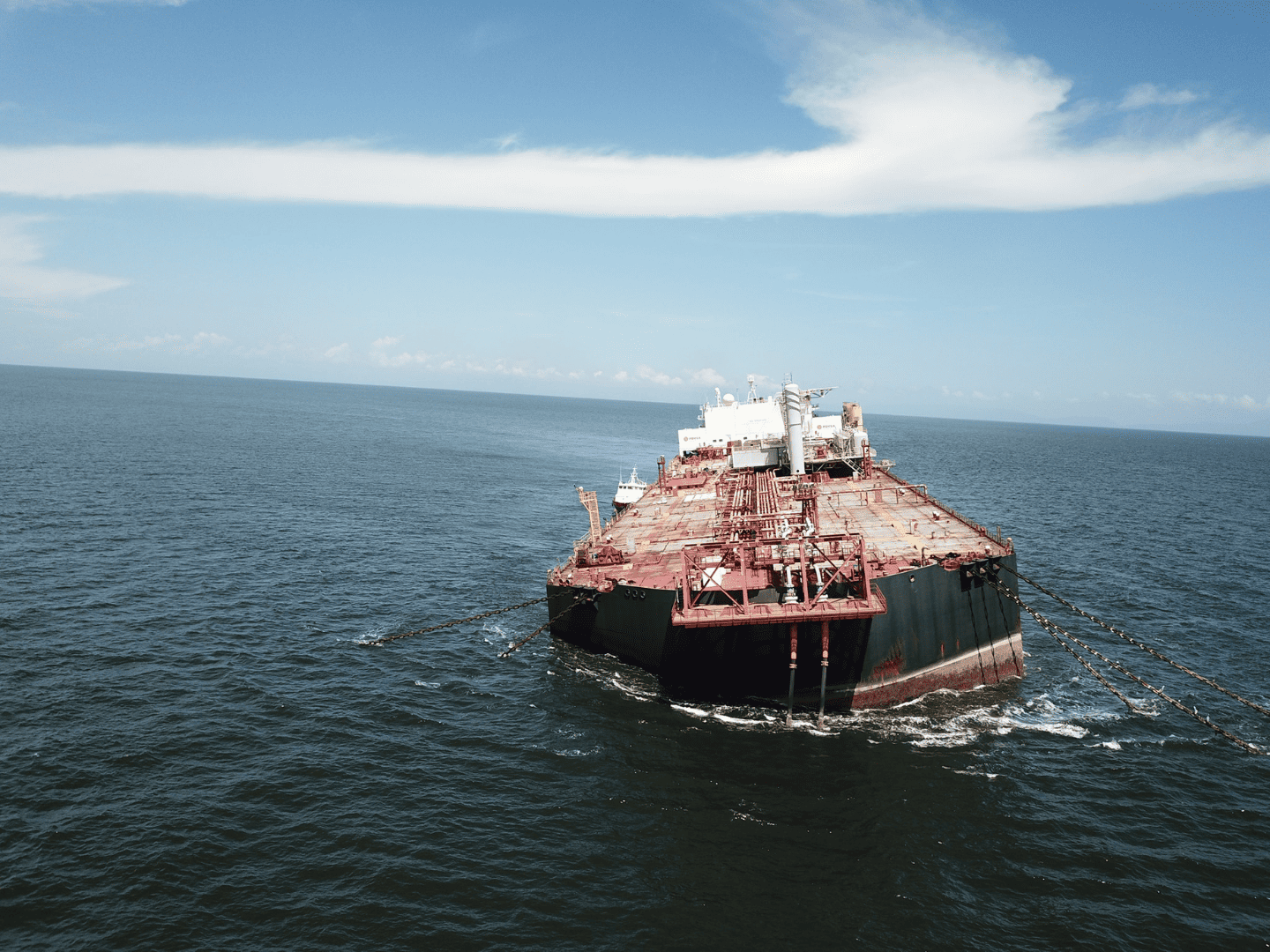
In 2020, the Nabarima – a Venezuelan oil tanker in the Gulf of Paria – began taking on water and sparked fears of an oil spill disaster.
In the wake of the incident, a Freedom of Information request by Fishermen and Friends of the Sea (FFOS) to publicise the Bilateral Plan was denied by the Ministry of Foreign and CARICOM Affairs.
FFOS lamented the alleged failure of the Bilateral Plan due to the delay in follow-up investigations in the wake of the incident and conflicting reports between reputable, international media houses and the Ministry’s response to the incident.

In response to the refusal, FFOS issued a pre-action protocol to the Ministry of Foreign and CARICOM Affairs and stated that:
“FFOS do not wish to engage in litigation; however, we have a duty to do what is right to protect our natural capital inventory, and so we will persist in fighting for the public interest.”
As it stands, the public cannot gauge the extent to which the Bilateral Plan protects Trinidad and Tobago in the event of an oil disaster between the two countries.
Trinidad and Tobago and Guyana
Despite Guyana’s recent introduction to the oil and gas industry, it has quickly become one of Latin America and the Caribbean’s largest producers of oil and natural gas.
However, a bilateral agreement between both countries has not yet been developed on the issue of oil spills affecting each other’s Exclusive Economic Zone.
Still, Guyana’s National Oil Spill Planning Committee, which utilised Trinidad and Tobago’s plan and other regional plans as templates, provides some safeguard in preparing Trinidad and Tobago for accidents, as it commits to notifying neighbouring countries and organisations of spills that may affect them.
Oil spill policies in the wider region
While uncertainty surrounds oil spill policies between Trinidad and Tobago and Venezuela and Guyana, respectively, the Caribbean Island Oil Pollution Response and Cooperation (OPRC) Plan (2012) (Caribbean Plan), of which Venezuela is an associate member due to its Caribbean borders, provides a framework upon which large spills in the region should be managed.
The Caribbean Plan is dependent upon participating territories having respective oil spill contingency plans in order to easily identify the agencies responsible for communicating accidents to neighbouring territories and executing clean-up.
Thus, weaknesses and gaps in island/territory plans can hinder the efficient management of regional spills.
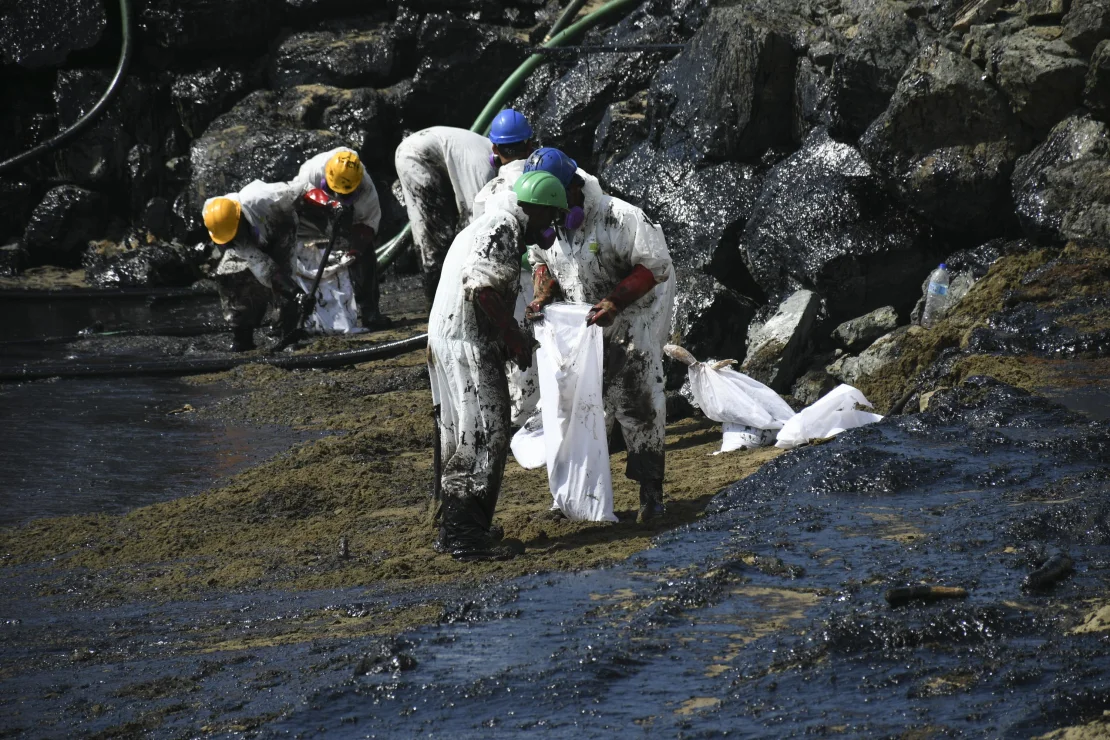
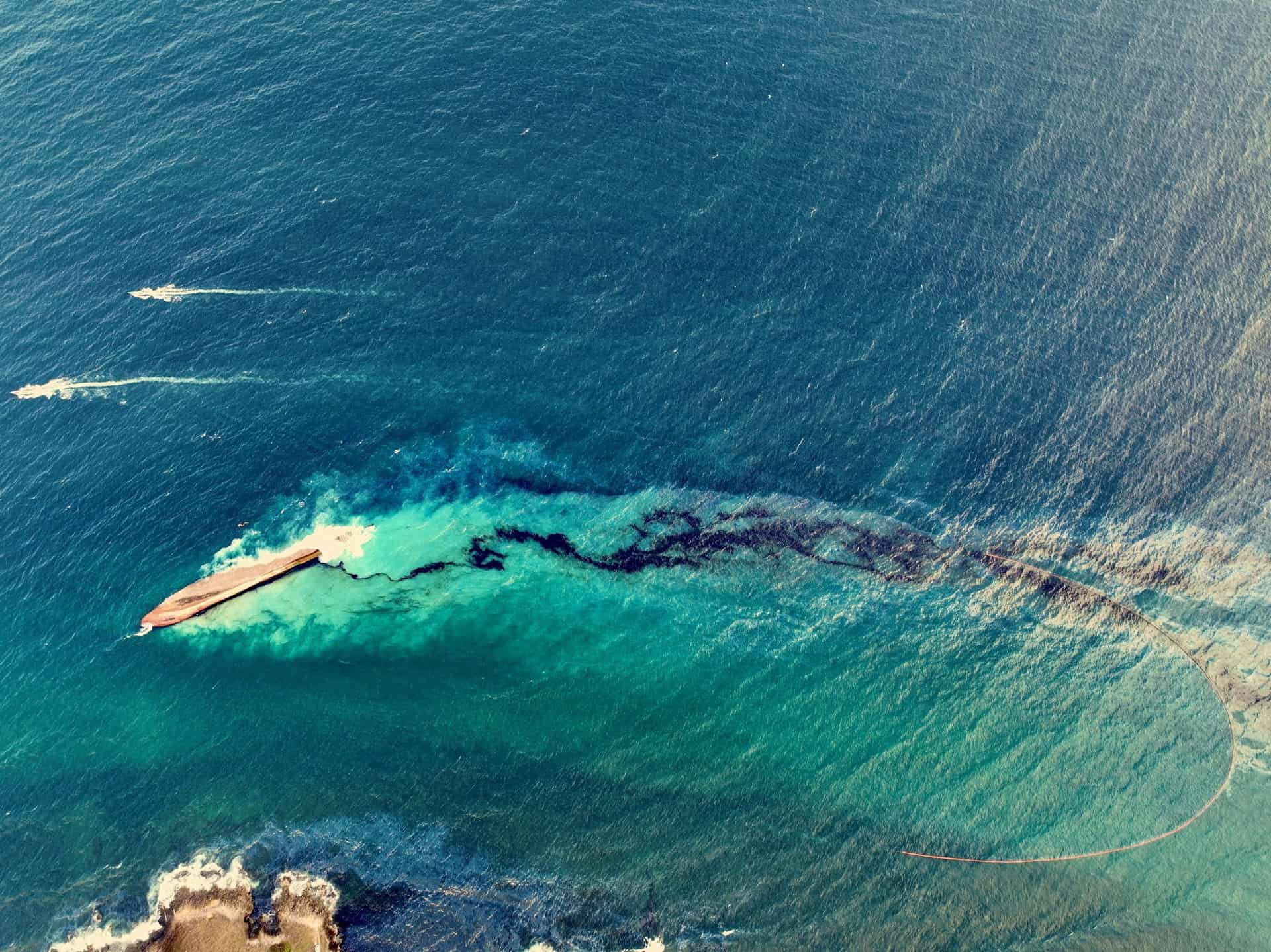
Other gaps may include the liability and compensation protocols to be adhered to in the event of spills from ghost ships, which was also the case with last month’s incident.
Trinidad and Tobago’s NOSCP states that according to legislation (i.e., the Oil Pollution of Territorial Waters Act), owners of non-oil tanker ships are strictly liable for the cost of damages associated with spills from their vessels and are subject to a fine of TTD$10,000 and 12 months imprisonment, unless it can be proven that the spill was accidental.
The Caribbean Plan also addresses compensation for parties affected by bunker fuel spills via the International Convention on Civil Liability for Bunker Oil Pollution Damage.

The convention applies more stringent measures than Trinidad and Tobago’s local law, requiring not only the vessel owners but also the “bareboat charterer, manager and operator of the ship” to be strictly liable for damages as well.
This provides a greater safeguard against affected parties bearing the full cost of remediation.
However, until either plan is updated accordingly, territories will continue to bear the financial burden of managing the spills and their impacts in these cases.